

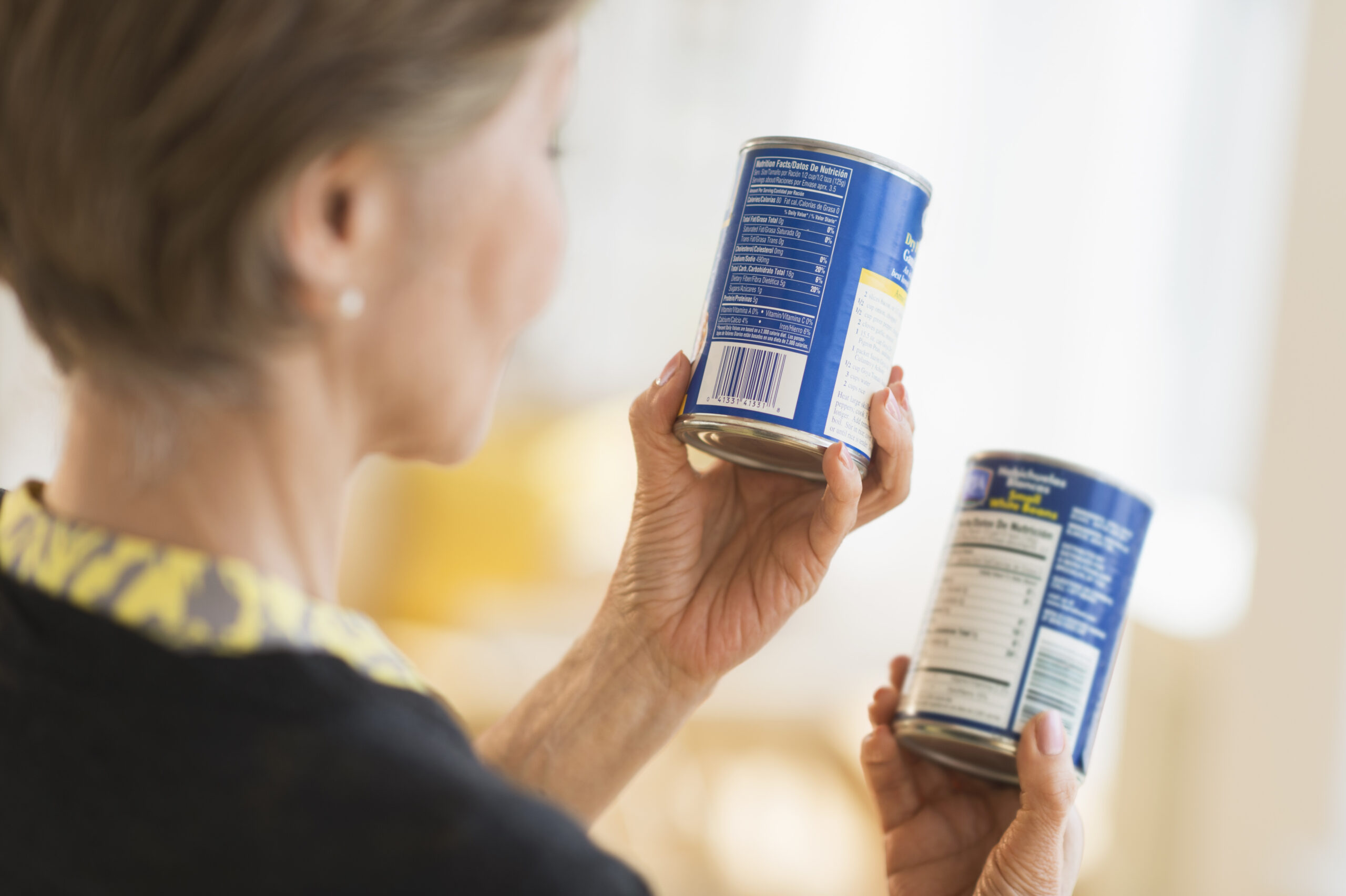
No one wants to throw away food in the fridge that looks fine, but you don’t want to risk getting sick, either. How rigid are the “use by” and “best by” dates on the packaging?
“Most foods are still fine after their ‘best by’ or ‘use by’ dates, but it helps to understand what those labels mean,” says Melissa Perry, a registered dietitian for BlueCross BlueShield of Tennessee.
What food date labels mean
Melissa Perry: For the most part, dates on food are more about quality and freshness than safety. They’re not expiration dates, even though that’s what many people assume they are. Here’s what they mean:
“Best by”: The “best by” date gives you an idea for how long the food will taste the best.
“Use by”: This tells you when the quality is expected to decline. This label is often used for perishable foods, like meats and cheeses.
“Sell by”: This date signals how long the retailer can sell a particular item. Once past, the retailer should pull it from the shelf and replace it with a new item.
How careful do you need to be?
Melissa Perry: Can you still drink milk after the “use by” date? It depends – check it for spoilage first. Check any perishable food, including meats, fruits and vegetables, for mold or other signs of spoilage, regardless of the date. Spoiled foods often have a different smell or have changes in their texture or color. They may also taste bad.
Meanwhile, if you notice that a can of soup or vegetables is past its “best by” or “use by” date, you may not need to automatically throw it away. Most nonperishable food items are safe past their “best by” or “use by” date as long as they’ve been stored at the proper temperature. But if the can is swollen, rusted or deeply dented, don’t take any chances. Throw it out.
One notable exception: infant formula. Infant formula is the only food product in the U.S. that is federally required to have a use by date. Infant formula should not be used after the use by date.
Other helpful food packaging information
Melissa Perry: Don’t just look at the date. Consider other useful information on food packaging, too.
Storage information: Food storage instructions are key to keeping food at its top quality for the longest time. Always store perishable foods at proper temperatures to avoid bacteria growth. Bacteria is typically what causes foodborne illnesses like food poisoning. Cook foods, especially meats, to the proper temperatures and use safe food-handling methods. If the label says “refrigerate after opening,” you should do that.
Lot number: You might also notice a lot number on your food’s labels. The number can help you figure out if your food is ever affected by a recall.
Allergens: If you have food allergies, don’t forget to read labels for phrases like “may contain,” which can signal that the food contains potential allergens. The FDA requires that food products include a notice if they contain any of the nine major food allergens:
- eggs
- fish
- crustacean shellfish
- tree nuts
- peanuts
- wheat
- soybeans
- sesame
Dates on your food can help you while you shop for the freshest food. But they’re not absolutes.
“It may be helpful to look at ‘best by’ and ‘use by’ dates as guides,” Melissa says. “They can help you estimate how long your food will likely be at top quality. But they’re not strict limits, so exercise good judgment.”
More from Melissa Perry on WellTuned

Get more information about specific health terms, topics and conditions to better manage your health on bcbst.com. BlueCross BlueShield of Tennessee members can access wellness-related discounts on fitness products, gym memberships, healthy eating and more through Blue365®. BCBST members can also find tools and resources to help improve health and well-being by logging into BlueAccess and going to the Managing Your Health tab.