

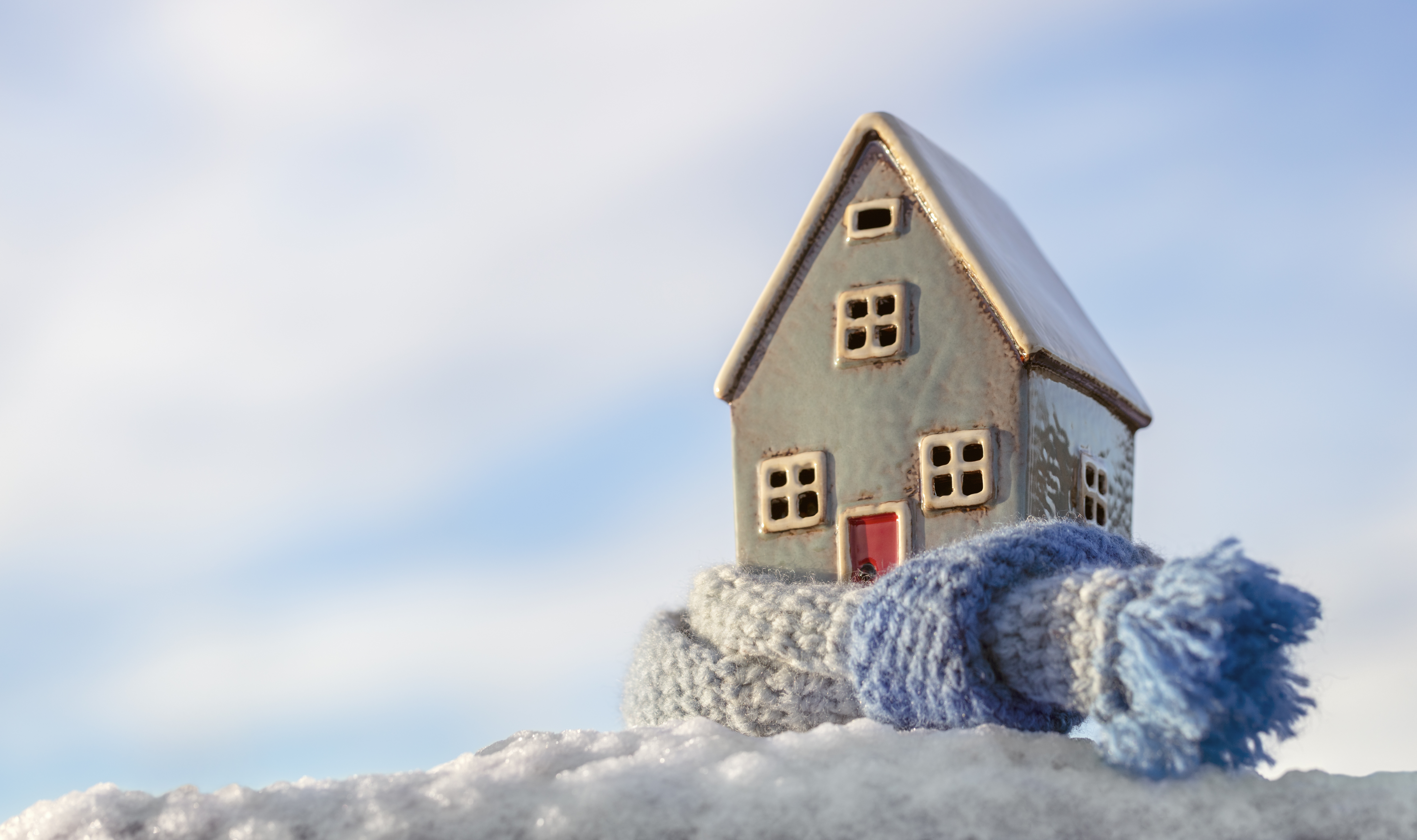
As temperatures drop, homes are often more sealed to keep the cold out. That means awareness of indoor air quality becomes even more important for your health.
To find out how to prepare your home and protect your health this winter, WellTuned spoke with David Logan, supervisor of maintenance technology at BlueCross BlueShield of Tennessee.
“My No. 1 tip would be to have your HVAC system cleaned and serviced,” David says. “Making sure clean and pollutant-free air is being circulated is extremely important.”
3 top priorities for a healthy home this winter
David Logan: Here are the most important steps to take to get your home ready for winter:
1. Maintain your HVAC system and air filters
Have your HVAC system checked, cleaned and serviced, including ducts. Change your home air filter every month. Although some manufacturers recommend every 3 months, monthly replacement can be better for air quality.
Use a good quality filter. Air filters have MERV ratings, which measure how well the filter traps microscopic particles in the air. The higher the MERV rating, the better. HEPA filters trap even more particles than the highest-rated MERV filters, but they can be more expensive.
Running an indoor air fan provides better air circulation, improved air quality, and better humidity control. While it takes more power to run the fan, the benefit could outweigh the cost.
Good quality air purifiers can help people with allergies, asthma, and various health issues. You can also crack windows while running exhaust fans in bathrooms and kitchens to let fresh air enter the home.
2. Control humidity levels
Humidity control is very important. A whole-house humidifier is often the best option. A good humidity level in winter is 30-50%. Try to avoid humidity higher than this to prevent mold and mildew.
3. Ensure safety with detectors and heaters
Make sure you have carbon monoxide detectors working if you have gas heat. If using indoor space heaters, make sure heaters are clean and properly spaced. Verify that they are in safe operating condition with all safety shutoffs.
Additional steps to winterize your home
David Logan: These steps will help prepare your home for winter:
- Protect indoor pipes with pipe insulation, which homeowners can install easily.
- Insulate your attic for energy savings on heating costs.
- Insulate outdoor faucets and disconnect and store hoses to keep them from freezing.
- Set your thermostat to 68 degrees during waking hours and 65 while sleeping to reduce energy costs.
- Stop air leaks around windows with caulk or foam sealant.
- Replace weather stripping around doors.
- Reverse ceiling fans to force warm air trapped near the ceiling down to living areas.
- Open curtains during the day to let the sun help heat your living space.
- Have chimneys serviced by a professional.
- Clean fireplaces and gas logs and keep them free of debris for safe operation.
“Taking these steps now can help protect both your home and your health throughout the winter,” David says.
WellTuned: how to increase the safety of your home

Get more information about specific health terms, topics and conditions to better manage your health on bcbst.com. BlueCross BlueShield of Tennessee members can access wellness-related discounts on fitness products, gym memberships, healthy eating and more through Blue365®. BCBST members can also find tools and resources to help improve health and well-being by logging into BlueAccess and going to the Managing Your Health tab.