

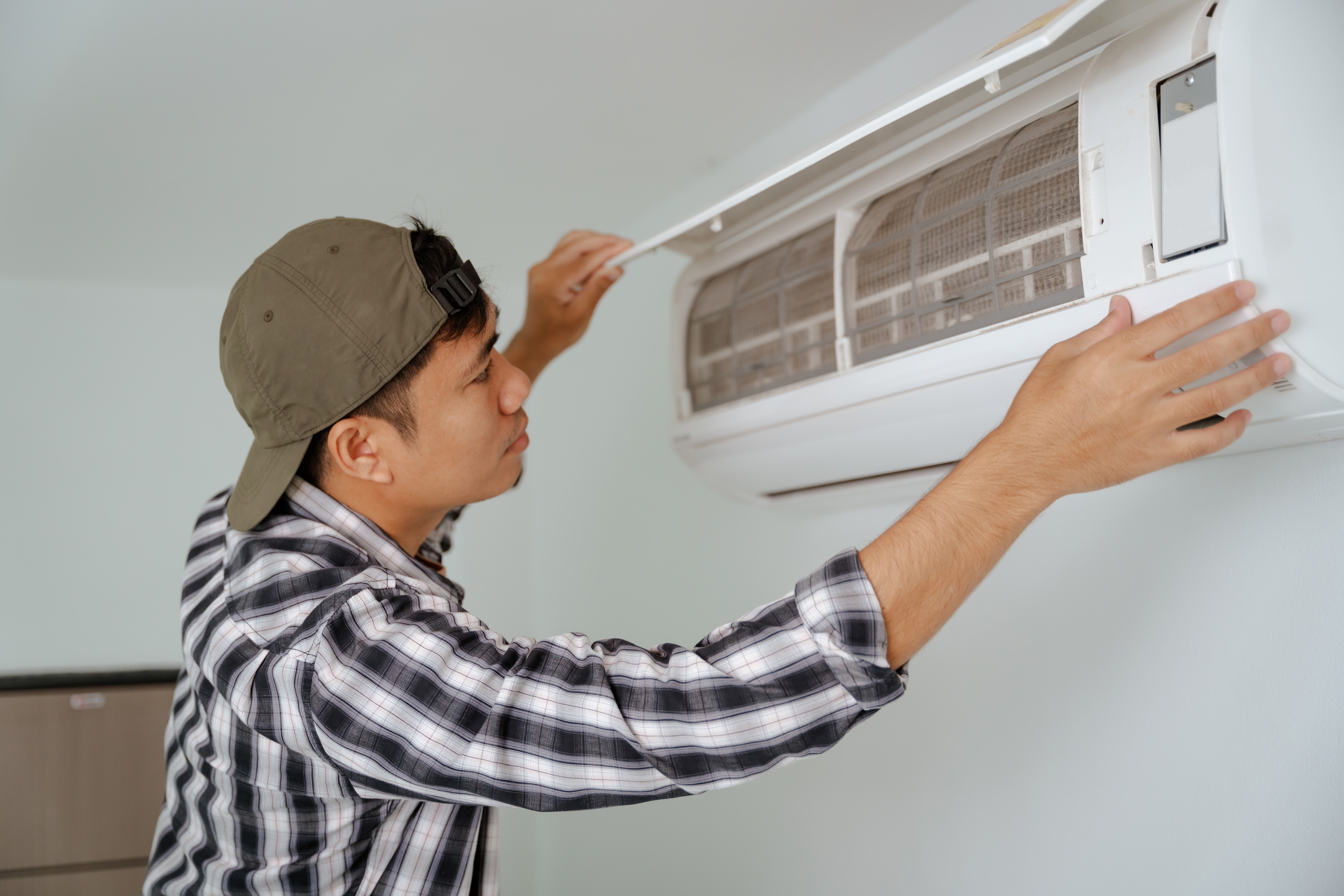
Indoor air quality has a direct impact on health. In Tennessee, high humidity, sealed homes and long air-conditioning seasons increase the risk of problems ranging from mold to radon exposure.
“Air quality risks are often hidden, but they can be measured and managed,” shares Dr. Andrew Vernon, a medical director for BlueCross BlueShield of Tennessee.
7 common air pollutants in your home
Dr. Vernon: Several types of indoor pollutants can affect your health:
- Mold is common in damp areas such as basements, bathrooms, and HVAC systems. It causes allergic reactions like congestion, itchy eyes, and asthma flare-ups. Even people without allergies may notice coughing or irritation. A persistent musty smell, visible growth or recurring dampness are signs of mold.
- Radon is a radioactive gas that seeps into homes from the soil. Tennessee has some of the highest radon levels in the country, especially in Middle and East Tennessee. Radon is colorless and odorless. Long-term exposure is the second leading cause of lung cancer after smoking. The EPA sets levels for radon safety limits and about 1 in 3 Tennessee homes tested exceed that limit. Testing is inexpensive and the only way to know if radon is present. The Tennessee Radon Program offers free test kits to residents, and they’re also available for purchase at most hardware stores. If the radon level exceeds the EPA’s action threshold, mitigation is recommended.
- Nitrogen dioxide is produced by combustion, particularly gas stoves, heaters, and fireplaces. Indoor gas stoves without proper ventilation can create levels 2 to 4 times higher than outdoor EPA standards. Exposure is linked to asthma attacks, coughing, and reduced lung function. Children and individuals with asthma are especially sensitive.
- Volatile organic compounds (VOCs) come from paints, finishes, furniture, flooring, cleaning products, and air fresheners. Indoor levels are often 2 to 5 times higher than outdoors. Short-term exposure causes headaches, dizziness, and throat irritation. Long-term exposure to some VOCs, such as formaldehyde or benzene, increases cancer risk. Formaldehyde is commonly found in pressed wood products, including particleboard, plywood, and fiberboard.
- Carbon monoxide is produced by malfunctioning furnaces, gas appliances, and portable generators. This colorless, odorless gas can be fatal with acute exposure. Chronic low-level exposure causes headaches, dizziness, and confusion. Every home with gas or wood-burning appliances should have carbon monoxide detectors.
- Biological contaminants also contribute to illness, especially asthma. Pet dander, dust mites and cockroach allergens thrive in sealed, poorly ventilated homes. These can trigger asthma symptoms and worsen chronic respiratory conditions, particularly in children.
- Secondhand smoke remains a major concern. Indoor smoking can leave behind toxic chemicals that remain after smoking stops. Exposure is linked to asthma attacks, bronchitis, and increased cancer risk.
Warning signs to watch for
Dr. Vernon: Warning signs that indoor air may be affecting your health include:
- Feeling better when away from home
- Recurring sinus or asthma symptoms
- Visible mold or musty odors
- Condensation on walls and windows
- Persistent headaches or fatigue without another clear cause
- Respiratory irritation
How to improve your indoor air quality
Dr. Vernon: Basic steps to reduce risk include:
- Maintain humidity between 30 and 50 percent.
- Repair leaks quickly to prevent mold growth.
- Replace HVAC filters regularly for better air circulation.
- Ensure proper ventilation in kitchens and bathrooms with fans that vent outdoors.
- Test for radon at least once — every Tennessee home should be tested. If the radon level exceeds the EPA’s action threshold, mitigation is recommended as noted above. This usually involves installing a vent pipe and fan system to redirect the gas outdoors, sealing foundation cracks, and possibly encapsulating crawlspaces. A certified radon mitigation provider should be hired to ensure proper installation and effectiveness.
- Use proper ventilation when cooking with gas appliances.
- Install carbon monoxide detectors and maintain them.
- Choose low-VOC materials when painting or renovating.
- Ventilate when using cleaning products or air fresheners.
- Store chemicals outside of living areas.
Tennessee’s unique challenges
Dr. Vernon: Tennessee’s climate, air-conditioning use and geology combine to make air quality a recurring problem. Our humid climate creates ideal conditions for mold growth. Air conditioning during summer can trap pollutants inside and reduce fresh air circulation. The state’s geology contributes to higher radon levels.
“Addressing air quality can keep your home from becoming a source of illness,” Dr. Vernon says. “With active monitoring and management, you can help ensure your home is safe for everyone.”
More from Dr. Vernon on WellTuned

Get more information about specific health terms, topics and conditions to better manage your health on bcbst.com. BlueCross BlueShield of Tennessee members can access wellness-related discounts on fitness products, gym memberships, healthy eating and more through Blue365®. BCBST members can also find tools and resources to help improve health and well-being by logging into BlueAccess and going to the Managing Your Health tab.