

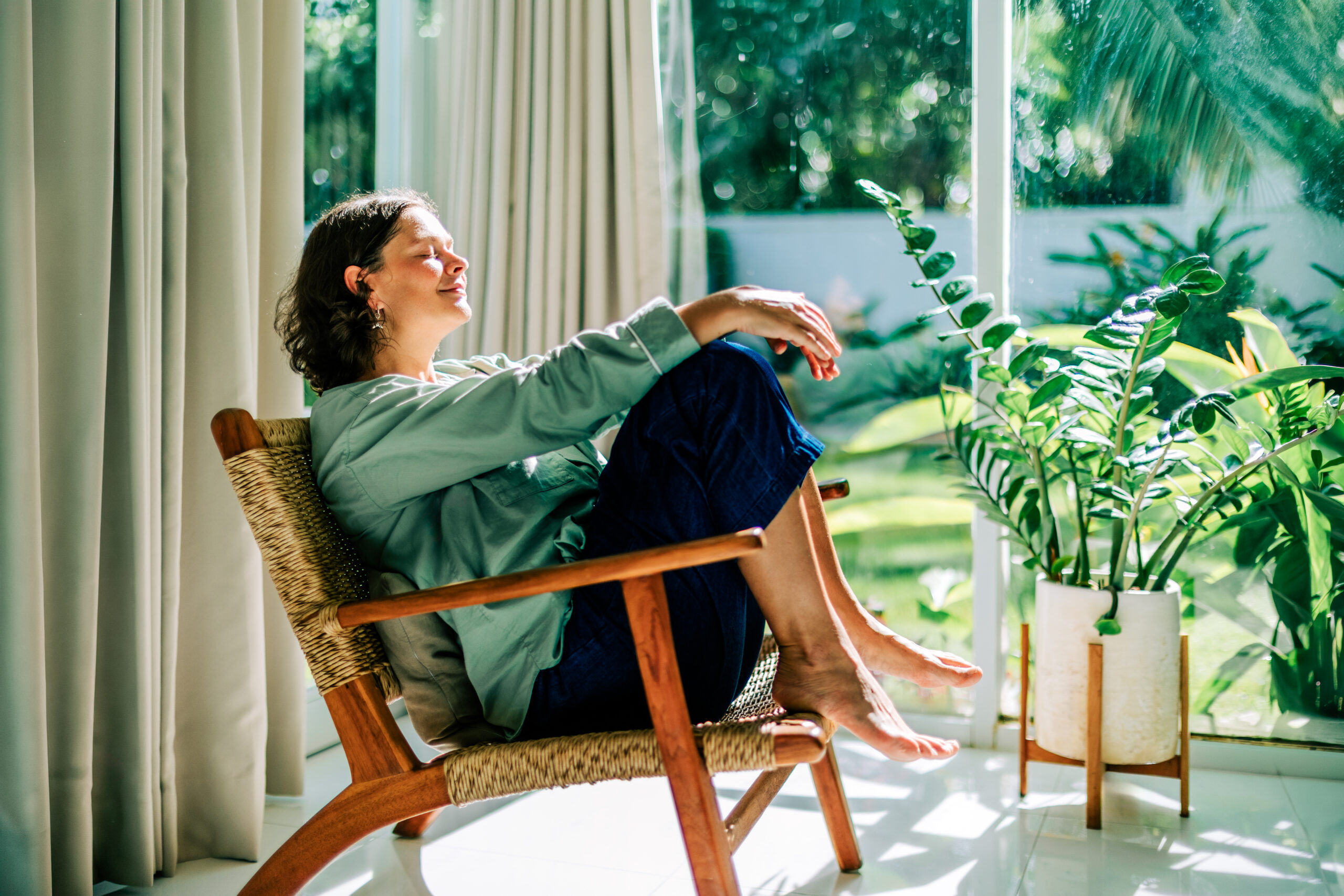
As we approach summer, we’ll have more than 13 hours of daylight in Tennessee. That’s a big change from the nine hours most of us receive in winter. Those extra hours of sunlight offer more than just brighter evenings.
To learn about the benefits of extra daylight, WellTuned spoke with Dr. Sharon Moore-Caldwell, a medical director at BlueCross BlueShield of Tennessee.
“When we have more daylight, we have more time to be active, spend time with family, and enjoy outdoor activities,” Dr. Moore-Caldwell says. “But if we’re not intentional, we could find ourselves sitting still through the extra daylight.”
Health benefits of longer days
Dr. Moore-Caldwell: It’s nice to finish a typical workday with some of the day still left. But there are real health benefits, as well:
Increased physical activity: Longer daylight gives us more time for being outside. This can be walking, running, cycling, or getting up and moving.
Mental health and wellbeing: Extra sunlight may help improve mood and reduce feelings of seasonal low mood that some people experience when it gets dark early.
Family and relationship time: You have more time to spend with family outside. In our screen-heavy world, this extra daylight can help us better connect with others.
Increased safety: More daylight may improve visibility for people running, walking or cycling.
The vitamin D balance
Dr. Moore-Caldwell: Sunlight helps with vitamin D synthesis, which is essential for our bones and muscles, as well as our immune system. But getting sun exposure is a balancing act. You need some sun exposure, but you must balance that with the risk of skin cancer.
Sunscreen helps reduce cancer risk. But sunscreen also blocks UVB rays, which help with vitamin D production. Most people who use sunscreen will still make some vitamin D though because it’s often not applied perfectly or evenly. How much sun exposure you need varies based on skin tone. People with darker skin have more natural protection but may need more sun exposure for vitamin D synthesis.
It’s best to talk to your doctor or to your child’s doctor about recommendations for sun exposure for vitamin D production. While most people can benefit from moderate sun exposure with proper protection after consulting with your doctor, skin cancer prevention is key.
Keep these tips in mind to protect the skin:
- Keep babies younger than 6 months out of direct sunlight.
- Wear a hat with a wide brim to help shield the face, ears, and back of the neck.
- Limit your sun exposure between 10 a.m. and 4 p.m., when UV rays are strong.
- Wear sunglasses with appropriate UV protection. Look for youth-sized sunglasses with UV protection for your child.
- Use sunscreen as directed.
- Help everyone in your family understand the importance of skin and eye protection. Remember to set a good example by practicing sun safety yourself.
Making the most of longer days
Dr. Moore-Caldwell: It’s important to be intentional about taking advantage of extra daylight. Screen time consumes us — kids and adults alike. Even when the sun is out, it’s easy to stay on computers or games.
Consider visiting a BlueCross Healthy Place, or explore Tennessee’s parks and trails. The key is making a conscious choice to get outside.
“Longer days may offer potential health benefits,” Dr. Moore-Caldwell says. “But you have to act while the sun is out.”
More from Dr. Moore-Caldwell on WellTuned

Get more information about specific health terms, topics and conditions to better manage your health on bcbst.com. BlueCross BlueShield of Tennessee members can access wellness-related discounts on fitness products, gym memberships, healthy eating and more through Blue365®. BCBST members can also find tools and resources to help improve health and well-being by logging into BlueAccess and going to the Managing Your Health tab.