

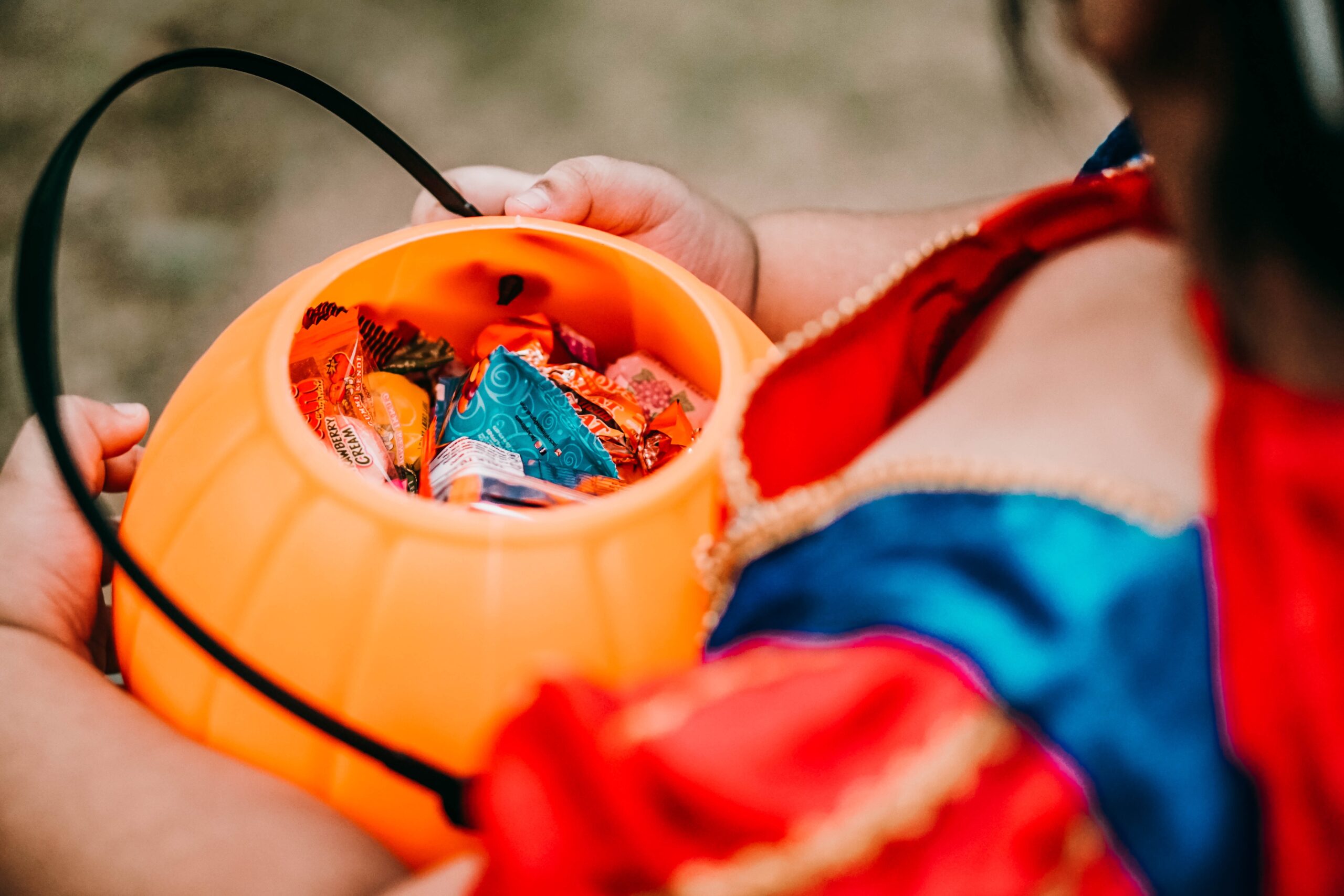
For many parents, the hardest part of Halloween isn’t the costumes or safety concerns. It’s the bucket of candy that comes home afterward.
Janet Seiber, a registered dietitian with BlueCross BlueShield of Tennessee, says planning ahead can help families enjoy the night without stressing about candy consumption.
“To have some balance on Halloween night, plan to have a meal or protein snack before going out trick-or-treating,” Janet explains. “This can help to avoid them snacking on the candy while they’re out trick-or-treating.”
What to do with Halloween candy
Janet Seiber: The night of Halloween or a similar activity, your children will want to enjoy their candy. It can be fun to first sort the candy together and talk about your favorites. Trading candy with siblings or friends can also be a fun part of Halloween.
The days and weeks after Halloween can be tricky with the leftover candy bucket. This can be a good lesson on portions and limits on sugar intake. A simple rule could be to eat 1 to 3 pieces, 1 to 2 times per day. Having a few pieces with a packed lunch at school, as an after-school snack or as an after-dinner treat can be a way to enjoy candy in moderation.
If the candy is still around after 3 to 4 weeks, consider throwing it away or giving it away.
How much candy is reasonable?
Janet Seiber: There isn’t one perfect amount of Halloween candy for every child, since it can vary by age, activity level and individual health needs. After Halloween, offering a few pieces as a snack can create balance without making candy “off-limits.”
Avoid calling candy “bad” or “junk.” Treat candy as a food to enjoy in moderation, without guilt. This supports a balanced approach to sweets.
It’s also a good time to emphasize dental health. Enjoying candy at planned times, along with regular brushing, can help protect those smiles.
Making Halloween fun beyond the candy
Janet Seiber: Brainstorm with your child about giving out a non-food item on the night of Halloween. Rubber ducks, glow sticks, spider rings or squishy toys are just a few fun ideas with consideration to what age is age-appropriate and safe.
Think about offering a “buy back” activity with your child for some of the candy they collect. A certain number of pieces could be given as currency for a toy or screen time.
Halloween with celiac disease, food allergies or diabetes
Janet Seiber: For celiac disease, food allergies, diabetes or other conditions, know the types of candy that are safe and unsafe to eat, always check labels, and talk about this with your child before Halloween. Sort through the candy bucket before the child has free reign to it that night. If possible, give neighbors safe candy or treats to hand out to your child when you visit their houses.
The Teal Pumpkin Project is a national initiative by FARE, a food allergy advocacy group. Anyone can participate by displaying a teal pumpkin and offering non-food treats. This makes Halloween a safer and fun night for those with severe food allergies or others who want a fun non-candy treat.
Generally, on special occasions such as Halloween, children with diabetes, including those with Type 1 diabetes, may want to enjoy candy in reasonable portions as part of their overall diabetes management plan. Parents and caregivers should talk with their child’s diabetes care provider before Halloween or other special occasions for guidance on safely managing blood glucose levels and treats during special occasions. The plan may include adjusting the diabetes medication dosing based on activity level, blood sugar readings, and holiday candy or desserts.
“Halloween candy can be part of the fun of the holiday,” Janet says. “Enjoy it within the guidelines you set for it, then return to regular meals and snacks.”

Get more information about specific health terms, topics and conditions to better manage your health on bcbst.com. BlueCross BlueShield of Tennessee members can access wellness-related discounts on fitness products, gym memberships, healthy eating and more through Blue365®. BCBST members can also find tools and resources to help improve health and well-being by logging into BlueAccess and going to the Managing Your Health tab.