

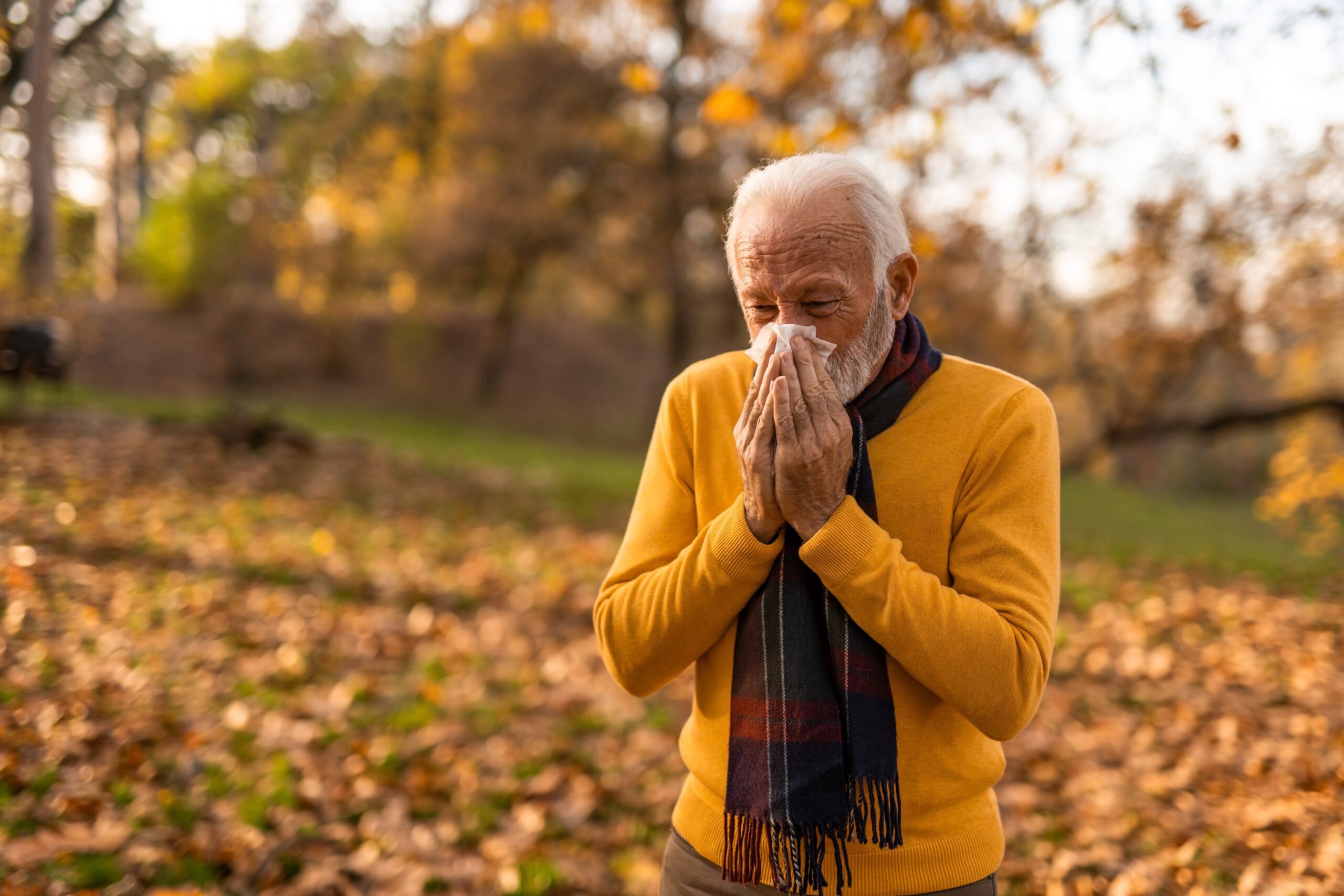
When temperatures drop and Tennesseans spend more time indoors, respiratory viruses circulate more widely. Fall is the optimal window for seasonal vaccinations — before holiday gatherings begin, and viral season hits its peak.
Dr. Susan Owensby, a medical director at BlueCross BlueShield of Tennessee, breaks down what you need to know about flu, COVID-19 and RSV (respiratory syncytial virus) vaccines.
Why fall is the right time
Dr. Owensby: The CDC recommends that everyone 6 months and older receive an annual flu vaccine and adults 18 and older receive an annual COVID-19 vaccine, ideally by the end of October for both. There are some exceptions to these annual vaccination recommendations. See CDC guidance on flu and COVID-19 vaccines.
Vaccination before virus activity peaks provides time for the immune system to build protection. Protection can decrease over time. And viral variants evolve, which makes annual vaccination important. Patients who miss the ideal fall window can still seek vaccination in the winter months. It is better to get vaccinated later than not at all.
Is it safe to get multiple vaccines at the same appointment?
Dr. Owensby: It is safe to get the flu, COVID-19 and RSV vaccines at the same time. There is no required waiting period between these vaccines. And administering them together is convenient and an effective way to comply with vaccine recommendations.
Side effects of vaccines may include arm soreness, fatigue, headache or low-grade fever. These side effects may occur after one vaccine or when two or more are administered together. For most people, these side effects are mild and short-lived and less serious than severe respiratory viral infections.
Who should prioritize RSV vaccination?
Dr. Owensby: Many people think RSV is only a concern for infants, but it can be a serious illness for older adults, as well. Adults 75 and older should receive RSV vaccination if not previously vaccinated. Those who have received an adult RSV vaccine don’t have to have it repeated annually.
Patients 50 to 74 years old with risk factors for severe RSV disease should also receive RSV vaccination. These risk factors include:
- Weakened immune systems
- Active cancer
- Chronic lung or heart disease
- Diabetes
- Kidney disease
- Neuromuscular or neurologic conditions
- Residence in a nursing home or long-term care facility.
Pregnant women may receive maternal RSV vaccination during pregnancy. This helps protect newborns during their first months of life. Talk with your doctor about the timing of this during pregnancy.
Why staying current protects everyone
Dr. Owensby: Vaccination remains one of the most effective ways to reduce severe illness, hospitalization, and complications from respiratory viruses. Healthy individuals can still become infected and transmit viruses to others who may be more vulnerable. Staying up to date with vaccination may protect the community at large and it may help safeguard vulnerable individuals, like infants, older adults and immunocompromised family members.
Talk with your doctor or pharmacist about which vaccines are right for you this season. Visit the CDC’s respiratory virus guidance for the latest recommendations.
Read more health and wellness advice from Dr. Owensby

Get more information about specific health terms, topics and conditions to better manage your health on bcbst.com. BlueCross BlueShield of Tennessee members can access wellness-related discounts on fitness products, gym memberships, healthy eating and more through Blue365®. BCBST members can also find tools and resources to help improve health and well-being by logging into BlueAccess and going to the Managing Your Health tab.