

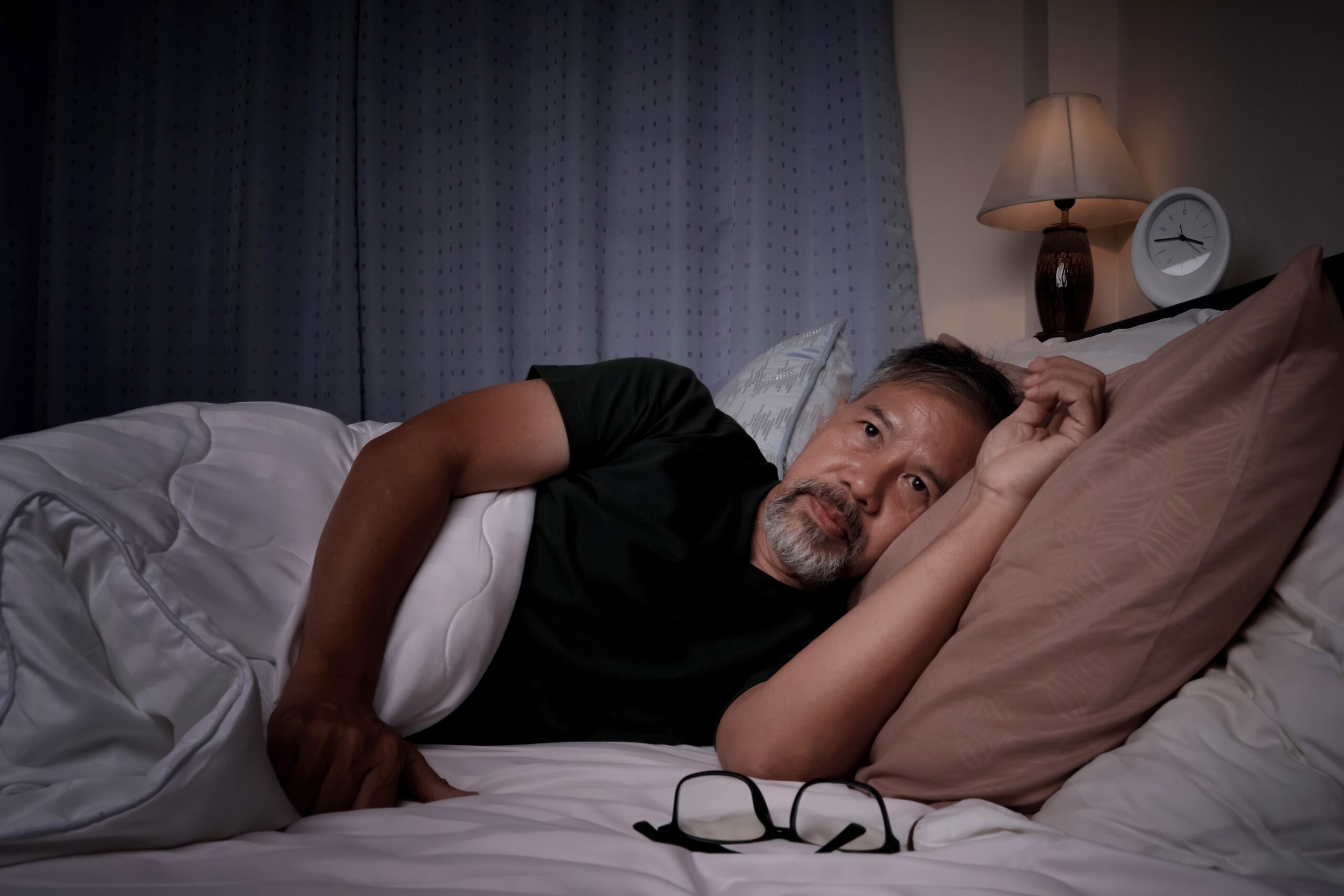
Many people sleep more lightly as they get older. Some sleep changes are normal. But poor sleep is not something you have to accept.
Dr. Andrew Vernon, a medical director at BlueCross BlueShield of Tennessee, explains what is considered normal, what is not and how to protect your sleep.
Some sleep changes are normal, but not all
Dr. Vernon: Sleep changes can be a part of normal aging. Older adults often sleep more lightly and wake up more often. They get sleepy and wake earlier than they did when they were younger. Some increase in daytime napping may also occur. But poor sleep should not automatically be dismissed as “just getting older.”
The key is to separate normal changes from symptoms that affect your daytime function or point to a sleep disorder. Excessive daytime sleepiness is not a normal part of healthy aging. If you regularly fall asleep unintentionally during the day or struggle to stay awake, see your doctor.
Sleep matters for more reasons than just feeling rested. It supports alertness, memory, mood, judgment and physical function. A very sleepy person may react more slowly, which raises the risk of driving accidents. Poor sleep is also linked to heart and metabolic problems. But sleep is only one part of a much larger health picture.
Hormones, medications and sleep apnea can get in the way
Dr. Vernon: Our internal clock changes with age. That helps explain why many older adults feel sleepy earlier in the evening and wake up earlier in the morning.
Menopause can disrupt sleep through hormone changes, hot flashes and night sweats. But persistent sleep problems should not automatically be blamed on menopause. Another sleep disorder may exist, too.
Medication review is especially important for older adults. Sedatives, prescription painkillers like opioids, certain antidepressants and blood pressure medications, stimulants, decongestants and diuretics can interfere with nighttime sleep or cause daytime sleepiness. Older adults are also more prone to medication side effects and interactions.
Adding a sleeping medication is not always the best answer. It’s always best to talk with your doctor first, including if you have prescribed medications you are taking.
Obstructive sleep apnea also becomes more common with age and often occurs with other medical conditions. Warning signs include:
- Loud, habitual snoring
- Pauses in breathing that others notice
- Gasping or choking during sleep
- Unrefreshing sleep
- Morning headaches
- Excessive daytime sleepiness
- Frequent nighttime urination and awakenings
Not everyone with sleep apnea feels sleepy, so a lack of sleepiness does not rule it out. what they notice. You may not know you snore, stop breathing or gasp.
Build habits that protect your sleep
Dr. Vernon: These sleep tips may help to make a difference:
- Keep a consistent wake time. It anchors your body’s internal clock.
- Spend time in the morning light and stay physically active during the day.
- Go to bed when you feel sleepy, even if it’s not your normal bedtime.
- Avoid lying awake in bed for long periods. Your brain can start linking the bed with frustration instead of sleeping.
- Skip long or late naps if they interfere with nighttime sleep.
- Follow a regular wind-down routine so your body knows the day is ending.
Alcohol can be deceptive. It may help you fall asleep faster, but it can cause broken, poorer sleep later. It can also worsen sleep apnea.
Screens can interfere in two ways. Their light can affect your body’s clock. Time with phones, TVs and social media can also keep you awake longer than you planned. Keep your bedroom dark, quiet, comfortable and cool.
For chronic insomnia, cognitive behavioral therapy for insomnia, or CBT-I, may be suggested. It targets the behaviors and thoughts that keep insomnia going, rather than just prescribing a sleeping pill.
Don’t accept chronic poor sleep
Dr. Vernon: Talk with your doctor if:
- Sleep problems last or affect your memory, mood, work or quality of life
- You feel very sleepy during the day or fall asleep unintentionally
- You get sleepy while driving or in other situations where you need to stay alert
- You have loud snoring, gasping, choking or pauses in breathing during sleep
- Insomnia continues despite reasonable changes to your habits
- You feel an urge to move your legs at night or have unusual movements during sleep
- Your sleep changed after you started or changed a medication
“Some change in sleep is expected with aging, but chronically poor sleep is not something people simply have to accept,” Dr. Vernon says. “Often there is an identifiable and treatable reason for it.”
More from Dr. Vernon on WellTuned

Get more information about specific health terms, topics and conditions to better manage your health on bcbst.com. BlueCross BlueShield of Tennessee members can access wellness-related discounts on fitness products, gym memberships, healthy eating and more through Blue365®. BCBST members can also find tools and resources to help improve health and well-being by logging into BlueAccess and going to the Managing Your Health tab.