

Drowning is the number one cause of death for children ages 1 to 4. More than 4,500 people drowned each year in the U.S. from 2020 to 2022—about 500 more per year than in 2019.
“Drowning is fast, often silent, and often preventable—but no single strategy is enough,” says Dr. Nicole Haig, a medical director at BlueCross BlueShield of Tennessee
The layers of protection approach
Dr. Haig: An effective approach combines multiple layers of protection. Supervision, barriers, swimming skills, life jackets and emergency preparedness are all important. Three key messages every family should know:
- Any water can be dangerous. Pools, lakes, bathtubs, kiddie pools, buckets, splash pads and even standing water pose a drowning threat.
- Drowning often happens when caregivers think someone else is watching. Designated, distraction-free supervision is critical.
- Protections put in place must work together. Swimming lessons alone, life jackets alone or fences alone are not enough.
Common misconceptions about drowning
Dr. Haig: These false beliefs can put families at risk:
False: Drowning is loud and obvious. In reality, drowning is often silent with little or no splashing. Victims may be unable to call for help because they are struggling to breathe.
False: If a child can swim, they can’t drown. Even strong swimmers can drown due to fatigue, panic, cold water, currents or medical events.
False: Lifeguards eliminate risk. Parents and caregivers should continue direct supervision even when lifeguards are present.
False: Water wings and pool toys are safety devices. Inflatable arm bands, inner tubes and pool toys are not lifesaving devices. They should never replace supervision or U.S. Coast Guard-approved life jackets.
False: Most drownings occur in deep water. Young children frequently drown in relatively small amounts of water after gaining unexpected access to a pool or other water source.
The 5 most important prevention strategies
Dr. Haig: These interventions can help prevent drowning. The American Academy of Pediatrics recommends drowning prevention guidance be included in routine pediatrician visits about the preventive measures below:
- Constant, close supervision. Maintain touch supervision which is staying with arm’s reach. Provide constant attention which means no phones, reading, conversations, alcohol or other distractions. Assign a specific water watcher — an adult whose only job is watching children in or near water. For infants, toddlers, and weak or non-swimmers, the supervising adult is often in the water with the child. Supervision is not replaced by swimming lessons or flotation devices.
- Four-sided pool fencing. Have four-sided fencing with a self-closing, self-latching gate that separates the pool from the house and yard. And be aware of other pools in areas where your children play outside or visit friends.
- Formal swimming lessons. Children should learn water competency skills at appropriate ages. A water-competent child can enter water safely, float or tread water, turn and orient themselves, swim at least 25 yards, and exit safely. Water competency does not eliminate risk — supervision remains essential.
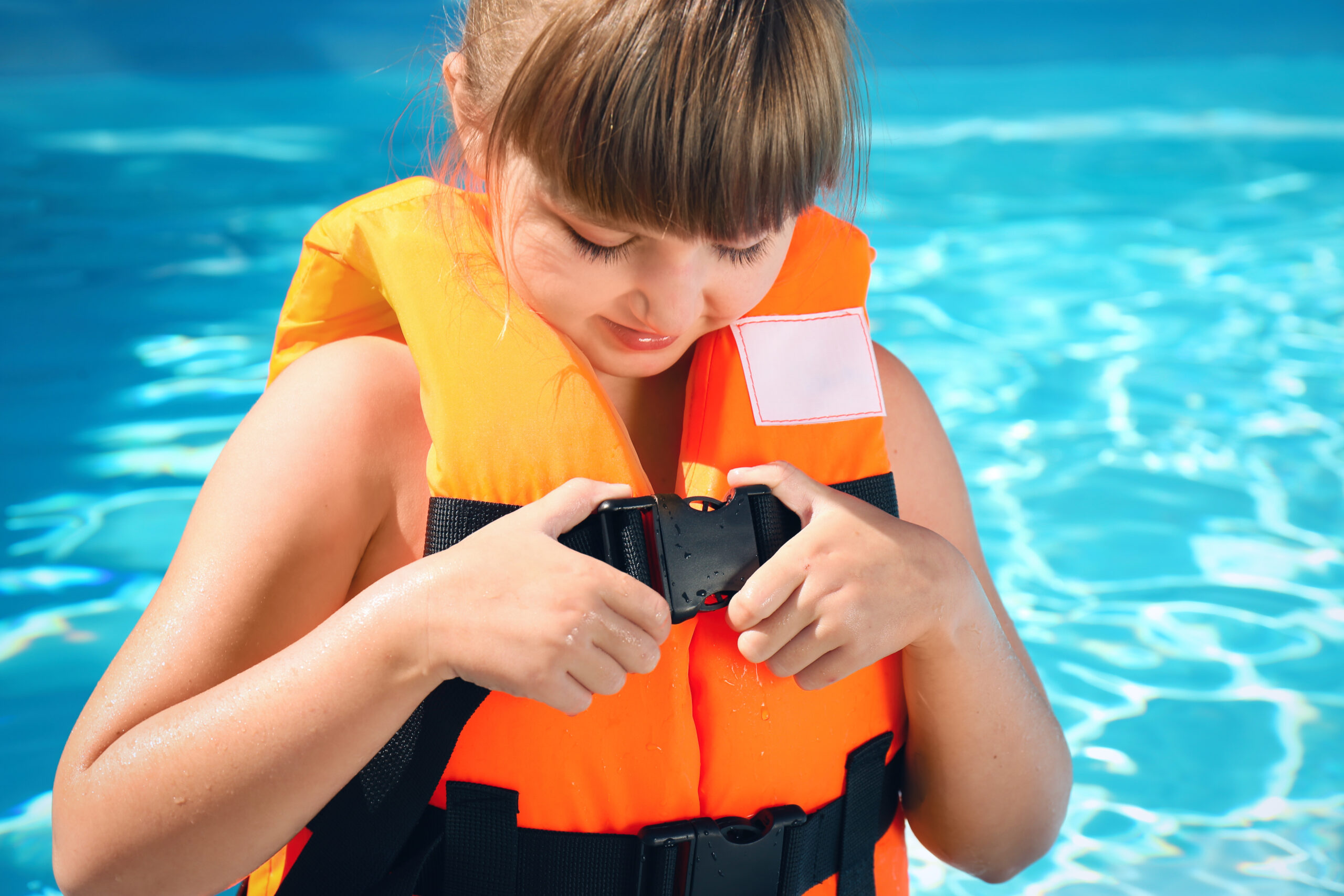
- Life jackets. Use Coast Guard-approved life jackets in natural water and boating. Water wings, pool noodles and inflatable rings are not safety devices.
- Learn cardiopulmonary resuscitation (CPR). Bystander CPR can be lifesaving before emergency response arrives.
Supervision by water environment
Dr. Haig: Different water settings need different levels of attention:
Pools: Constant visual supervision with a designated water watcher. Maintain barriers and locked gates even when the pool is not in use.
Lakes and rivers: Use Coast Guard-approved life jackets. Be aware of currents, underwater hazards, poor visibility and sudden depth changes. Always swim with a buddy.
Splash pads: Continue active supervision. Surfaces are slippery when running. Small children can still access nearby water hazards.
Kiddie pools: Supervise exactly as you would at a larger pool. Empty immediately after use. Never leave water standing.
Beaches: Swim only at beaches with lifeguards. Dangers include strong waves and shore breaks, sudden drop-offs, fatigue from swimming in the surf, underestimating ocean conditions, weather changes, poor visibility in murky waters and rip currents. Teach children what to do if caught in a rip current.
What to know by age group
Dr. Haig: Children of different ages have different risk factors:
Infants: Never leave unattended in the bathtub. Maintain arm’s-reach supervision around all water.
Toddlers (1–4 years): This age group has the highest drowning risk. Touch supervision is critical. Pool fencing is essential.
School-age children: Formal swimming lessons are important. Continue close supervision despite swimming ability.
Adolescents: Natural bodies of water risks increase. Emphasize life jackets, buddy systems, and avoiding alcohol or drugs near water.
Children and adults with autism spectrum disorder (ASD) and intellectual disabilities (ID): Some people with ASD or ID may face an increased risk of drowning because several risk factors often occur together. These include behavioral, cognitive, communication, and safety challenges.
Some people may also have health or developmental conditions that may increase drowning risk. These may include:
- Epilepsy/seizure disorders
- Motor coordination difficulties
- Sensory processing differences
- ADHD and impulsivity
- Anxiety or difficulty controlling emotional responses
Signs someone is drowning
Dr. Haig: A drowning person often cannot call for help. Watch for:
- Vertical body position in the water
- Appears to be climbing an invisible ladder
- Cannot make forward progress
- Mouth repeatedly going under water
- Quietly panicked, not dramatically splashing
If there is any doubt, ask “Are you OK?” A lack of clear response should prompt immediate action.
“The single most important message is that drowning is often quick, often silent and often occurs during a lapse of supervision,” Dr. Haig says. “But many drowning risks can be reduced through layers of protection.”
Halloween safety tips from Dr. Haig

Get more information about specific health terms, topics and conditions to better manage your health on bcbst.com. BlueCross BlueShield of Tennessee members can access wellness-related discounts on fitness products, gym memberships, healthy eating and more through Blue365®. BCBST members can also find tools and resources to help improve health and well-being by logging into BlueAccess and going to the Managing Your Health tab.