

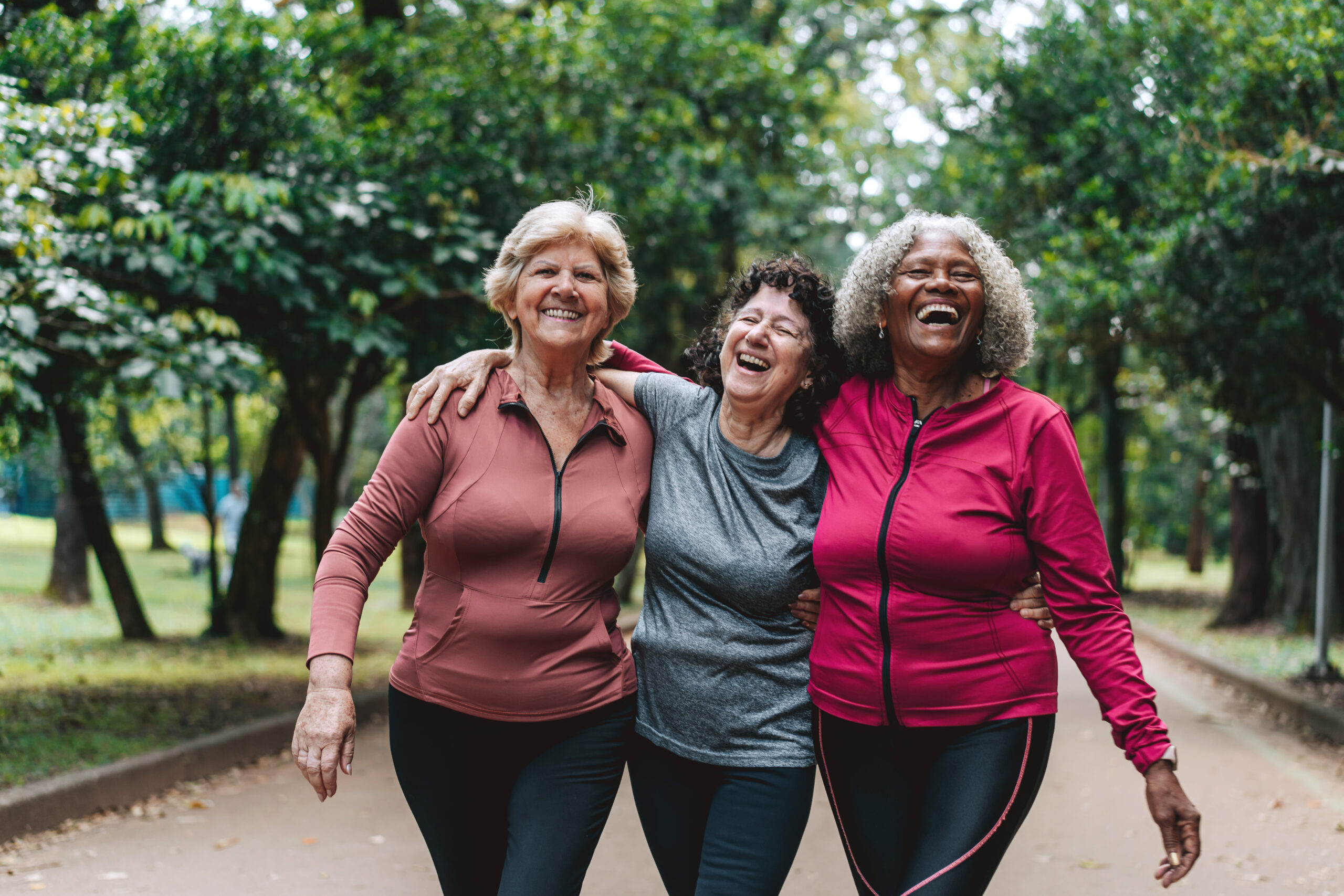
It’s projected that adults 65 and older will represent nearly 20% of Tennessee’s population by 2030. The habits that protect long-term health are most effective when starting early — but it’s never too late to begin.
“Lasting health is built through everyday choices rather than occasional major efforts,” says Dr. Lisa Ashe, a medical director at BlueCross BlueShield of Tennessee. “Small, sustainable changes are often the most effective because they can become lifelong habits.”
Habits for health as we age
Dr. Ashe: The goal is not only to live longer but to maintain function and quality of life throughout those years. When discussing longevity, conversation often centers on lifespan. However, health experts emphasize a different measure: healthspan.
Lifespan refers to the number of years a person lives. Healthspan refers to the years spent healthy, independent and enjoying daily life.
Healthy behaviors deliver benefits that accumulate over time. The earlier you adopt positive habits, the longer you benefit from them. Simple, high-impact routines to build into your day include:
- Stay active: Exercise is one of the most effective tools for healthy aging. It supports cardiovascular health, bone strength, mobility, balance, weight management and cognitive function. Walking, stretching and taking the stairs may all contribute to better health.
- Keep your brain engaged: Keeping the mind active helps maintain cognitive function. You can stimulate your brain by reading, learning new skills and solving puzzles. Other brain engagement activities include volunteering, playing music and engaging in meaningful conversations.
- Manage chronic conditions: Effectively managing diabetes, hypertension and heart disease improves quality of life. Following treatment plans from your doctor may help you stay active and independent longer.
- Schedule preventive care: Recommended screenings vary based on age, health history and risk factors. Stay up to date on preventive visits, cancer screenings and cardiovascular assessments. Also, don’t forget about vision and hearing evaluations, as well as recommended vaccinations.
Overlooked habits: sleep and social connection
Dr. Ashe: While diet and exercise get significant attention, the importance of sleep and social interaction are often underestimated:
- Prioritize sleep: Sleep is a foundational pillar of health. Quality restorative sleep supports memory, mood, heart health, metabolism and immune function.
- Build social connections: Strong relationships may provide emotional support and add purpose to life. Research suggests that social engagement may also help preserve cognitive function and support longevity.
Habits that negatively impact health
Dr. Ashe: Just as positive routines protect your health, certain choices can cause serious long-term harm. Smoking remains one of the most harmful behaviors for long-term health. Other negative factors include poor nutrition and excessive alcohol use.
Is it ever too late to develop healthy habits?
Dr. Ashe: If you haven’t focused on preventive health in the past, it is never too late to start. Positive changes can benefit people at any age. Many older adults improve their strength and well-being by adopting realistic habits.
“Healthy aging is not about achieving perfection,” Dr. Ashe says. “It’s about making consistent choices that support health, independence, and quality of life. Start with manageable changes and build habits that can be maintained over time.”
More healthy aging tips on WellTuned

Get more information about specific health terms, topics and conditions to better manage your health on bcbst.com. BlueCross BlueShield of Tennessee members can access wellness-related discounts on fitness products, gym memberships, healthy eating and more through Blue365®. BCBST members can also find tools and resources to help improve health and well-being by logging into BlueAccess and going to the Managing Your Health tab.