

Diabetes is the leading cause of blindness among adults. Yet more than half of those with diabetes skip their annual eye exams. Since 14% of Tennessee adults have diabetes, more than 500,000 residents are risking their eyesight by not getting exams.
“Diabetes can damage blood vessels in the eyes and lead to blindness,” says Dr. Daniel Cusator, a medical director for BlueCross BlueShield of Tennessee. “When artery damage is detected early, then treatment can be initiated to help reduce the risk of blindness.”
How does diabetes damage eyesight?
Dr. Cusator: Diabetes causes inflammation in the lining of arteries, especially the smaller arteries in the eyes, kidneys, and peripheral nerves. Diabetic retinopathy is damage to arteries in the back of the eye that provide oxygen to the retina. The damage leads to leaking of fluid, bleeding into the interior of the eye, and damage to the retina. This is why regular eye exams are so important for people with diabetes.
Why dilated eye exams matter
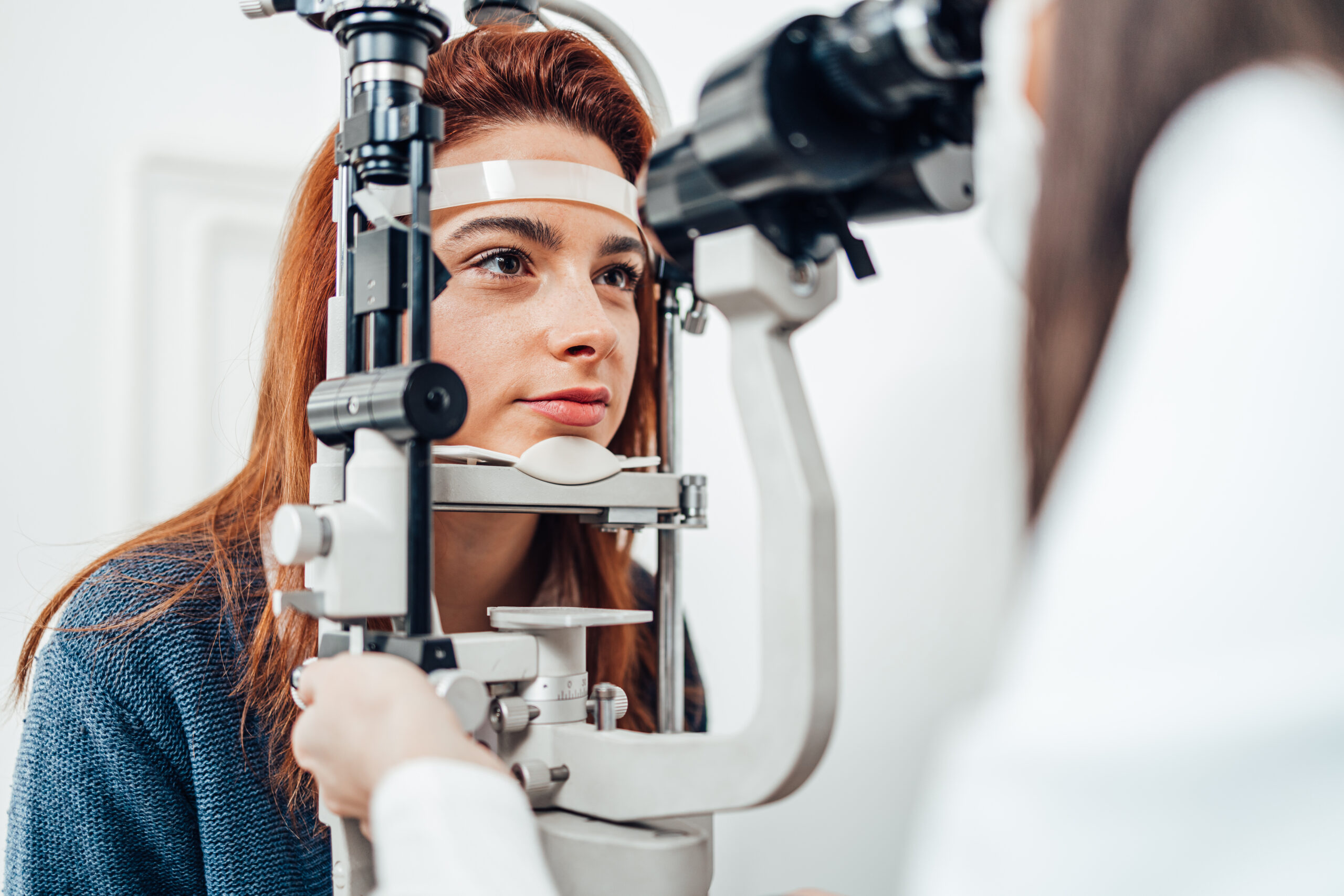
Dr. Cusator: A dilated eye exam allows the physician to examine a larger portion of the retina than with a non-dilated exam. Photographs taken during the exam can be used to track changes over time.
During a dilated eye exam, drops are placed in the eye to dilate the pupil. The dilation wears off after some time.
How often should people with diabetes get screened?
Dr. Cusator: Individuals with Type 1 or Type 2 diabetes should get regular eye exams. The recommended screening guidelines are:
Type 1 diabetes: Initial eye exam within five years of diagnosis. Then this should be done annually if retinopathy is present, or every two years if there is no evidence of retinopathy.
Type 2 diabetes: Eye exam should be done at time of diagnosis. Then repeated annually if retinopathy is present, or every two years if there is no evidence of retinopathy.
Warning signs to watch for
Dr. Cusator: Usually there are no eye symptoms early in the disease. This is why it is important to start eye screening as recommended.
As the disease progresses, these symptoms can develop rapidly:
- Vision that looks like a curtain falling (vitreous bleed)
- Floaters (after vitreous bleed resolves)
- Vision loss that can’t be corrected with glasses (macular edema)
How early detection prevents vision loss
Dr. Cusator: Early detection of eye symptoms allows the physician to identify signs of retinopathy and begin treatment before further damage occurs.
The most important treatment is tight control of blood sugar. Other treatments include managing blood pressure and cholesterol levels. There are also drug therapies and laser treatments that may help prevent vision loss.
“Because there are no eye symptoms early in the disease, many with diabetes neglect or delay eye exams,” Dr. Cusator says. “Don’t wait until you notice symptoms. By then, eye damage may have already occurred.”
More from Dr. Cusator on WellTuned

Get more information about specific health terms, topics and conditions to better manage your health on bcbst.com. BlueCross BlueShield of Tennessee members can access wellness-related discounts on fitness products, gym memberships, healthy eating and more through Blue365®. BCBST members can also find tools and resources to help improve health and well-being by logging into BlueAccess and going to the Managing Your Health tab.