

About 10 million Americans have osteoporosis, with 80% being women. Worldwide, approximately 1 in 3 women and 1 in 5 men will experience a fracture related to osteoporosis.
“Osteoporosis occurs when bones lose quality and strength, becoming more susceptible to fractures,” says Dr. Cristin Trecroce, a medical director at BlueCross BlueShield of Tennessee. “The term literally means ‘porous bone.’ Fractures can lead to pain, disability and difficulty with daily activities.”
Dr. Trecroce: Bone size and mineral content increase during late childhood, continuing until about the third decade of life. In most people, peak bone mass occurs in their mid-20s. Peak bone mass is the point at which bones are at their strongest. The higher the peak bone mass, the lower the risk of early bone loss later in life.
6 ways to protect your bone health
Dr. Trecroce: Here are key strategies for building and maintaining strong bones:
- Get enough calcium and vitamin D. Calcium, vitamin D and other essential nutrients support bone strength. The best way to achieve proper nutrition is through a balanced diet. Talk with your doctor about your diet to see if you may need calcium or vitamin D supplements.
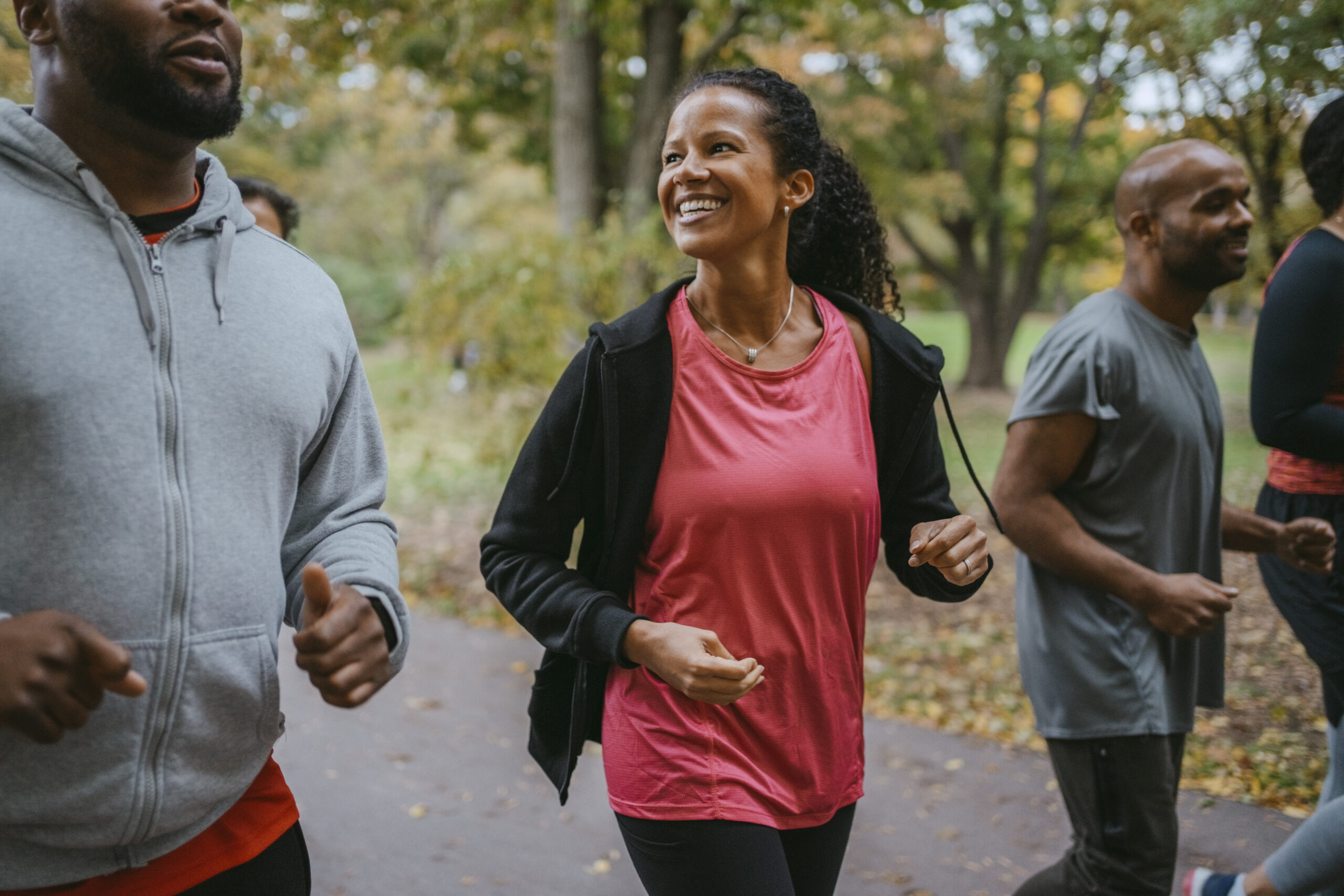
- Exercise regularly. Engage in regular exercise at any age. Muscle-strengthening activities are important for building and maintaining bone mass. Impact-loading activities such as walking, running and jumping help build bone. Strength training causes muscles to pull on bones, stimulating bone formation in response to stress on the bone. Simply put: if you load bone, or put pressure on bone through use and exercise, you activate bone growth and If you don’t, bone is lost. Always consult your doctor before starting an exercise regimen.
- Maintain a healthy weight. A high body mass index (BMI) may cause chronic inflammation that contributes to bone loss. Conversely, low BMI (underweight) may also increase the risk of bone loss. This is due to reduced force on bone through muscle contracting during weight bearing activities and also potential nutritional deficiencies. Maintaining an optimal body weight supports both bone health and overall wellbeing.
- Avoid smoking and excessive alcohol. Alcohol use reduces estrogen and testosterone levels, which are important for bone formation. Smoking contributes to chronic inflammation, which negatively affects bone health.
- Understand hormonal changes. Estrogen is essential for bone mass development. Women are at increased risk of osteoporosis when estrogen levels decline after menopause. Lower estrogen causes increased bone resorption that is not offset by bone formation.
- Stay active throughout your life. Normal aging leads to a gradual decline in both muscle mass and bone mass. Staying active helps prevent or postpone bone loss associated with aging and immobility. In healthy older adults, bone mass decreases by approximately 0.5% per year. Acting early can help offset this inevitable loss.
Who should get screened
Dr. Trecroce: Osteoporosis screening is recommended for:
- Women aged 65 and older
- Women under 65 with risk factors
- Men aged 50 and older with risk factors
The goal is to identify individuals at increased risk. Talk with your doctor to determine whether screening is appropriate for you. Even if screening isn’t recommended, take proactive steps to protect bone health.
“Don’t wait to take action,” Dr. Trecroce says. “Optimizing bone development and preventing premature bone loss are key to long-term bone health.”
More from Dr. Trecroce on WellTuned

Get more information about specific health terms, topics and conditions to better manage your health on bcbst.com. BlueCross BlueShield of Tennessee members can access wellness-related discounts on fitness products, gym memberships, healthy eating and more through Blue365®. BCBST members can also find tools and resources to help improve health and well-being by logging into BlueAccess and going to the Managing Your Health tab.