

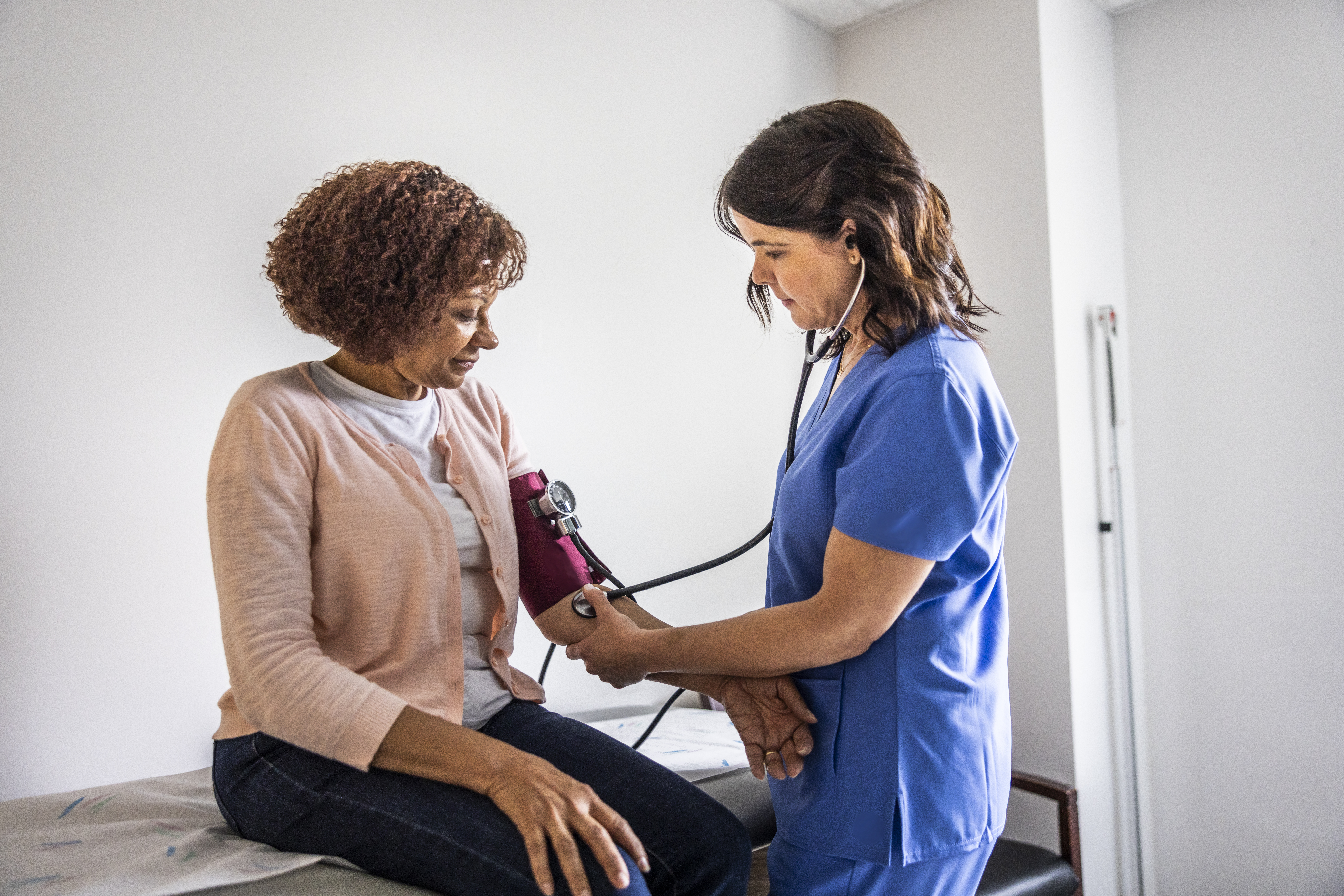
Nearly half of adults in the United States have high blood pressure. More than half of those people don’t know they have it.
That’s a problem that is costing lives, says Dr. David Wendt, a medical director at BlueCross BlueShield of Tennessee.
“High blood pressure or hypertension is known as the ‘silent killer’ because early signs and symptoms often go unnoticed,” Dr. Wendt says. “But like continuous dripping water eroding stones, high blood pressure erodes our health. This impacts Tennesseans at a very high rate.”
Tennessee’s high blood pressure problem
Dr. Wendt: Tennessee and its neighboring states have been known to have the highest prevalence of high blood pressure in the country. These are the so-called “stroke belt states.”
High rates of obesity may contribute to this regional clustering. Contributing factors include diets of fried foods, processed meats, high sodium and sugary beverages. Smoking can overstimulate the nervous system and accelerate stiffening of blood vessels. Sleep apnea, partly driven by obesity, may contribute to resistant hypertension. That is blood pressure that is hard to treat.
5 major health threats from high blood pressure
Dr. Wendt: Most people likely know that high blood pressure increases your risk of heart disease and stroke. They may not know that it actually damages many organs. Here’s how:
- Heart. High blood pressure can lead to heart attacks, heart failure and coronary artery disease.
- Brain. It is associated with strokes of all kinds. It can also significantly increase the risk of dementia. Treatment of high blood pressure may help reduce the risk of dementia and cognitive decline.
- Kidney. High blood pressure can damage the kidneys, causing protein to leak into urine. If this damage progresses, it can lead to kidney failure.
- Eyes. It can cause hypertensive retinopathy, which can affect vision.
- Sexual organs. High blood pressure can contribute to erectile dysfunction.
This organ damage can reduce life expectancy.
When high blood pressure becomes urgent
Dr. Wendt: Seek immediate medical help if any of the following signs and symptoms occur:
- Signs of a stroke (Use the FAST acronym: Face drooping, Arm weakness, Speech difficulty, Time to call 911)
- Chest discomfort associated with nausea, vomiting or difficulty breathing
- Abrupt onset of severe pain in the chest, especially if associated with loss of consciousness
Risk factors for high blood pressure
Dr. Wendt: There are a variety of risk factors for high blood pressure. They include family medical history, high sodium intake, low potassium intake, alcohol consumption, diabetes, obesity, sleep apnea, and tobacco exposure.
While you may not be able to address all your risk factors at once, monitoring is an important first step. Using a home blood pressure cuff to measure your blood pressure once or twice a month can be a simple way to be proactive. Early detection and treatment of high blood pressure can yield long-term benefits.
What you do now for your health can help to prevent progressive dementia and mini strokes, which are temporary strokes that signal ongoing blood vessel damage. It can also help you avoid conditions like heart attacks and heart failure. “Early intervention can make a difference,” Dr. Wendt says. “Know your blood pressure numbers and take them seriously.”
Learn more about blood pressure on WellTuned

Get more information about specific health terms, topics and conditions to better manage your health on bcbst.com. BlueCross BlueShield of Tennessee members can access wellness-related discounts on fitness products, gym memberships, healthy eating and more through Blue365®. BCBST members can also find tools and resources to help improve health and well-being by logging into BlueAccess and going to the Managing Your Health tab.