

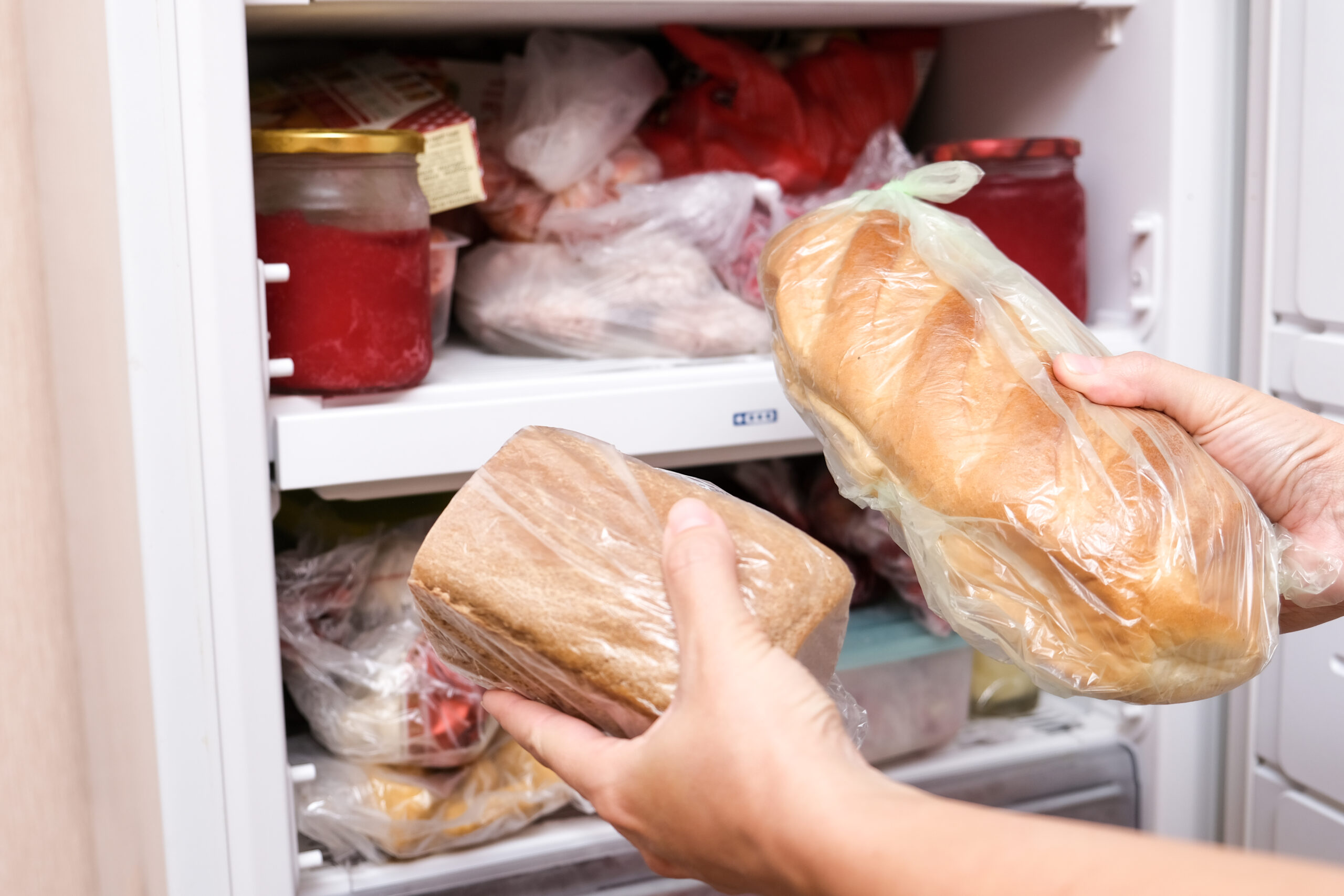
Social media claims about freezing bread are everywhere. Some say it’s a health hack that dramatically lowers blood sugar. Others call it a gamechanger for weight loss.
The truth is more complicated, says Susan Thomas, a registered dietitian at BlueCross BlueShield of Tennessee.
“Although freezing and reheating bread can result in lower blood sugars after meals somewhat, the media is exaggerating the benefits,” Susan says. “We’re missing the bigger picture: It’s what we eat with bread and how much we eat that matters most for our health.”
The science behind freezing bread
Susan Thomas: When you freeze bread, it creates something called starch retrogradation. The starch molecules change into a more compact form when cooled. If you then toast or reheat the bread, some of that starch becomes “resistant starch” that doesn’t digest easily in your small intestine.
Instead, it moves to your large intestine where it digests more slowly. This can lead to more moderate blood sugar levels after eating. The resistant starch also feeds healthy gut bacteria, which can support your immune system.
But here’s the reality: Freezing white bread doesn’t make it healthy. Whole grain breads naturally contain fiber that does the same thing – and more.
Make better bread choices
Susan Thomas: White bread has been processed and stripped of most fiber and important B vitamins. When it’s “enriched,” manufacturers add some vitamins back, but not all of them.
Whole grain or 100% wheat bread contains all parts of the grain – bran, germ and endosperm. This provides fiber, vitamins, minerals, and vitamin E. The fiber supports digestion, healthy gut bacteria and steady blood sugar levels. It also supports heart health.
How to freeze bread effectively
Susan Thomas: If you’re going to freeze bread, do it when it’s fresh. Slice it first and use airtight wrapping to prevent freezer burn. You can toast it straight from frozen or thaw it at room temperature.
Keep in mind that freezing speeds up staling and may make bread drier and tougher. Quick breads, like banana bread, that don’t require yeast and rising time, may become dense. Flatbreads may crack.
The real benefit: less food waste
Susan Thomas: Fresh bread has a short shelf life, but frozen bread can last months. Freezing stops mold growth and staling. This is probably the biggest benefit – saving money by reducing waste.
“Freezing bread is a great way to save extra bread that would otherwise go to waste,” Susan says. “But for real health benefits, choose whole grain bread and watch your portions. Enjoy bread as part of balanced meals.”
More from Susan Thomas on WellTuned

Get more information about specific health terms, topics and conditions to better manage your health on bcbst.com. BlueCross BlueShield of Tennessee members can access wellness-related discounts on fitness products, gym memberships, healthy eating and more through Blue365®. BCBST members can also find tools and resources to help improve health and well-being by logging into BlueAccess and going to the Managing Your Health tab.