

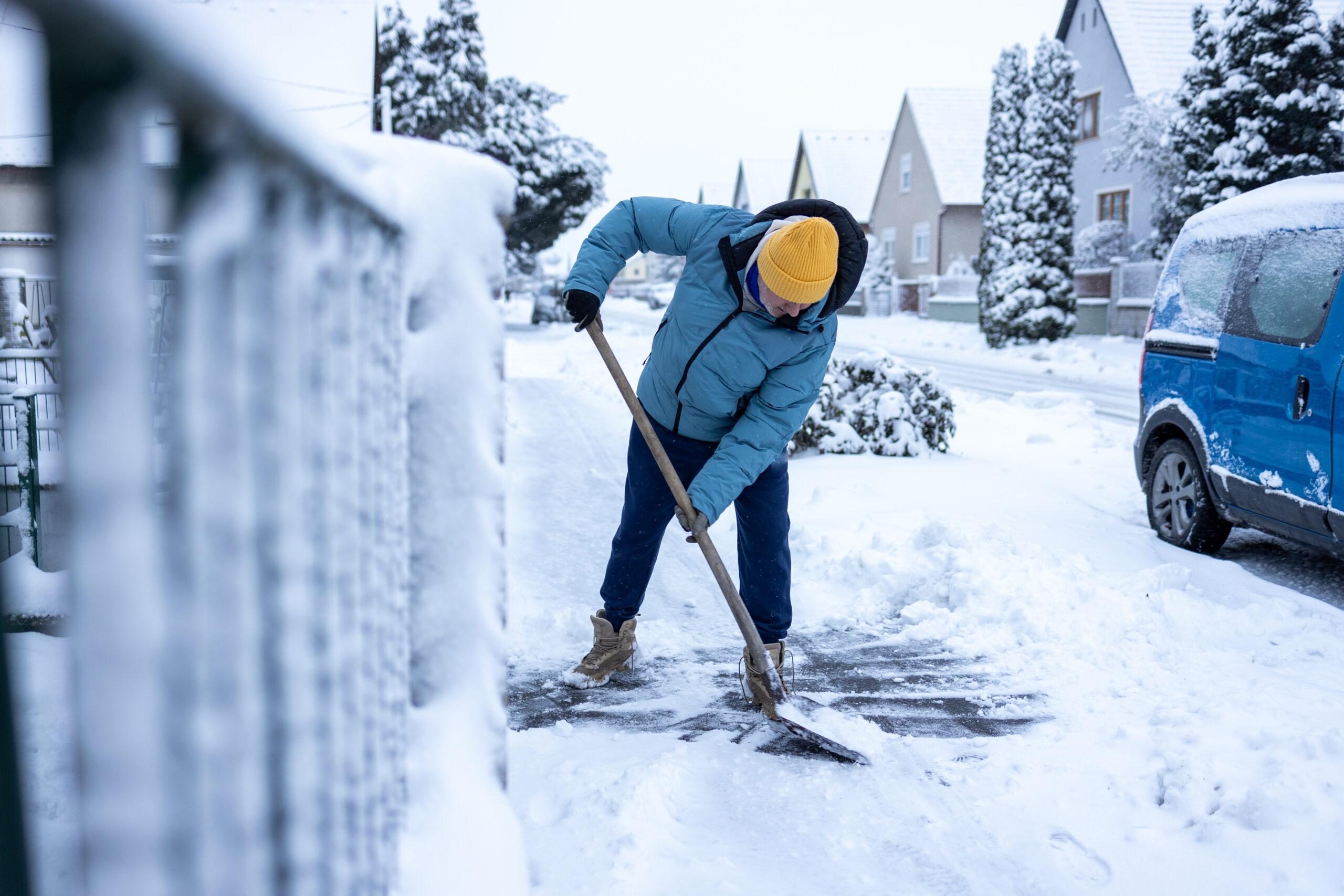
Tennessee winters may be milder than northern states, but cold weather still poses serious health risks. What are they and how can we prevent them?
To find out, WellTuned spoke with Dr. Gordon Peters, a medical director for BlueCross BlueShield of Tennessee.
“Winter health threats fall into three major categories,” Dr. Peters says. “The things that are most frequent, the things that are most severe and then everything else.”
Most frequent risk: falls on ice
Dr. Peters: Falls are one of the most frequent winter health risks. People walk on sidewalks or driveways, and don’t see ice. This is especially true with Tennessee weather. It gets cold and we can see a bit of snow, but then it gets warm and then freezes at night.
The injuries vary in severity. People could sprain or break their ankles, hips and arms. It’s a good idea to wear shoes with good traction on their soles, like outdoor boots. In the older population, they often hit their heads on the ice and can have significant traumatic injuries.
How to prevent falls
Dr. Peters: Be careful where you walk. If you have a sidewalk or driveway, make sure either you or somebody else salts it well so the snow or ice melts. Try to get the moisture off the area so it doesn’t freeze again.
If you have to be outside, sometimes it’s better to walk in the snow-covered area. You might get more traction than on an icy sidewalk.
Most serious risk: heart attacks
Dr. Peters: Temperatures below 10 degrees Fahrenheit can raise the risk of heart attack, as cold weather narrows blood vessels and raises blood pressure. If you add a little overexertion like shoveling snow, you could increase your risk of a heart attack. This can happen most anywhere in the south that is north of Florida.
Warning signs to watch for
Dr. Peters: If you feel lightheaded, have chest pain, nausea, vomiting, or feel like you’re going to faint, you need to stop your activity.
Consider an outdoor project in stages. Do a part of it, go inside, rest, and get some hot fluids. You need to break it up because the isometric load – significant muscle stress without a lot of movement – may cause cardiac injury.
Sometimes there are no pre-event symptoms. If you start to have any kind of symptoms, stop, rest, and if need be, call 911.
Cold injuries: hypothermia and frostbite
Dr. Peters: These injuries are insidious, meaning they cause harm and are difficult to notice. If your exposed skin starts to blanch white or get waxy, it could be a sign of frostbite. If you start getting significant fatigue or irritability, it could be a sign of hypothermia.
How to protect yourself
Dr. Peters: Cover exposed skin. Dress warmly and in layers. Hydrate before going outside. If your fingertips, nose or ears are starting to get painful or stinging, or somebody tells you that your nose is starting to go white or red, it’s time to go in and get warm.
Indoor safety concerns
Dr. Peters: A significant indoor health threat during winter is carbon monoxide poisoning from space heaters, gas stoves and fireplaces that aren’t properly maintained.
If you’re using a space heater, make sure it’s rated for inside use. During cold snaps, people often bring outside heaters inside. These are not meant for indoor use and they’re blowing carbon monoxide.
Don’t use your gas oven to try to heat your home. They produce carbon monoxide, and if they’re not well-maintained, they can cause significant risk.
Who’s at higher risk for winter weather health threats?
Dr. Peters: After age 65, people tend to have issues with their vascular system. They also tend to lose their balance more easily. Those with dementia need extra monitoring.
Children don’t recognize cold injuries. They just want to keep going, so you’ve got to make sure they wear layers, and their skin is covered.
“Tennessee winters may be milder, but they’re still dangerous,” Dr. Peters says. “Plan ahead, know your limits, and pay attention to your body.”
More from Dr. Peters on WellTuned

Get more information about specific health terms, topics and conditions to better manage your health on bcbst.com. BlueCross BlueShield of Tennessee members can access wellness-related discounts on fitness products, gym memberships, healthy eating and more through Blue365®. BCBST members can also find tools and resources to help improve health and well-being by logging into BlueAccess and going to the Managing Your Health tab.