

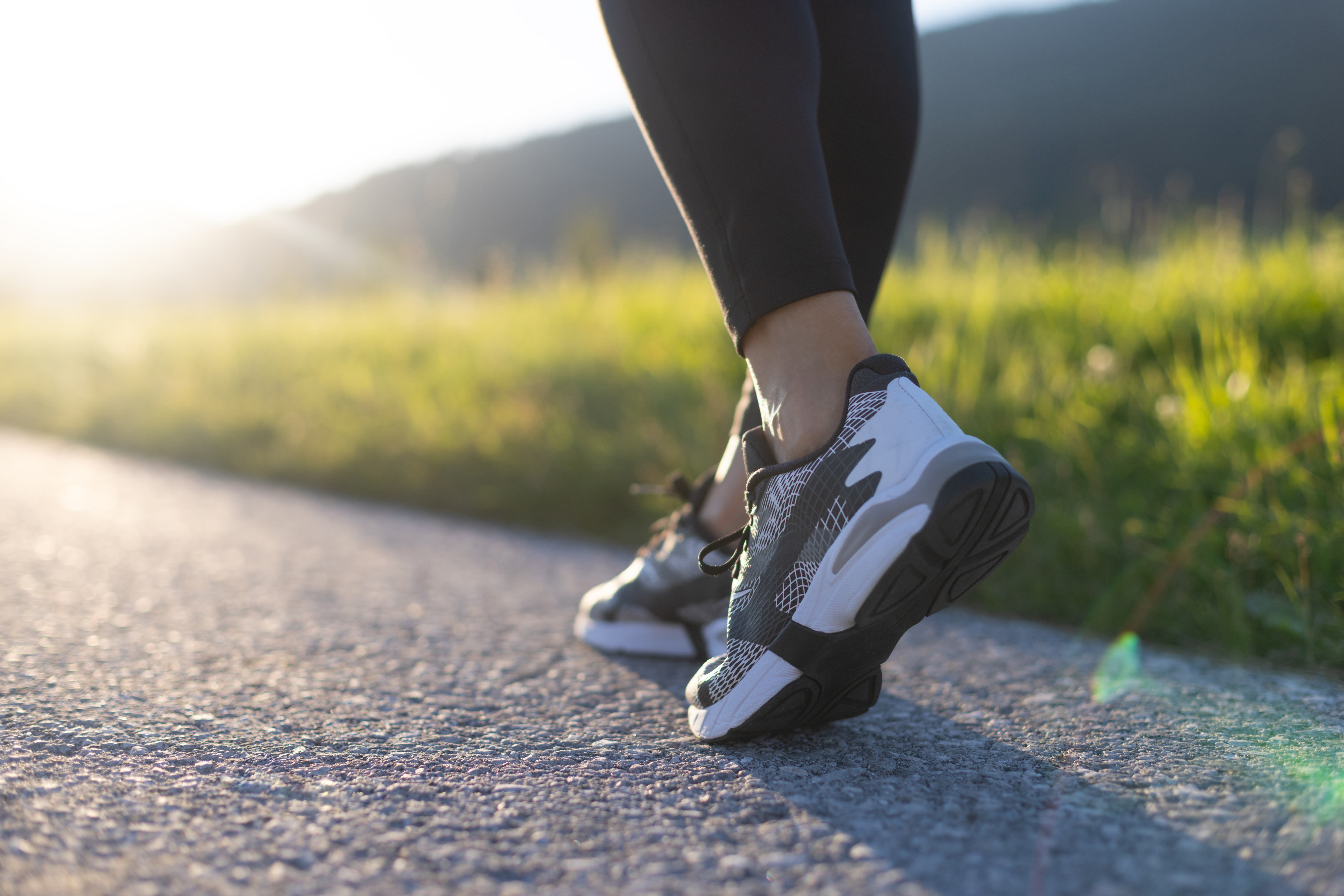
For some people, there’s nothing quite as enjoyable as a long walk after dinner. For others, walking before a meal is more satisfying. But which is better for your health?
WellTuned spoke with BlueCross BlueShield of Tennessee Registered Dietitian Shaina Gross to learn more about choosing the right time to walk and how it affects your health.
When should you walk?
Shaina Gross: The time of day can make a big difference in whether someone follows through with their plans to walk. Here are two big factors that can help you decide when to walk:
Schedule: For many of us, the biggest challenge is finding the right time to fit in a walk. Whatever works for you ? go with that. For some people, walking first thing in the morning is best because they get it out of the way. You could also take mini walks of 10 minutes, several times per day, if it’s hard to find one big block of time.
Motivation: Are you a morning person? Or do you prefer to walk on your lunch break or after dinner? Choose the time that will help you stick with it.
Plan your walk in your mind. Visualize yourself walking. Decide on the details, such as where you plan to walk, how you plan to get there, what you’ll wear, and whether you’ll walk with a partner.
What are the benefits of walking before a meal?
Shaina Gross: If you choose to walk before eating, you may reap these rewards:
- Your body will have to pull from stored energy to fuel the walk, which may help you with weight management. In fact, one recent study found that people who fasted before exercising lost 70% more fat than people who exercised two hours after eating.
- Fasting overnight before you exercise may help you reduce lipids in your blood and increase your body’s sensitivity to insulin.
- If you walk before breakfast, you’ll boost your energy levels and metabolism for the rest of the day.
What are the benefits of walking after a meal?
Shaina Gross: Here are some reasons to walk off your dinner:
- Walking after you eat can help manage your blood sugar levels, since the energy from the food that you just ate can be immediately used as fuel.
- Exercising after you eat can help aid in digestion and may even reduce bloating and gas.
What are the overall benefits of walking?
Shaina Gross: The most important thing is to walk — no matter what time of day you choose. Walking is so good for your health and wellbeing. No matter when you do it, walking can help you:
- Improve cardiovascular fitness
- Strengthen bones and muscles
- Improve balance and coordination
- Prevent and manage diabetes
- Improve mood
- Reduce stress
What should you eat before or after a walk?
Shaina Gross: When you think about what to eat to fuel your workout, consider the duration and intensity of the activity. If you’re going for a long, fast walk, you might need to eat differently than you would for a slower walk.
In general, for a walk lasting less than 45 minutes, you don’t need to focus on a specific fueling strategy. However, you do want to make sure you stay hydrated. If you’re planning a longer, more intense exercise session, you could consume 30-60 grams of carbohydrates from an easily digestible source. Try raisins or a banana.
If you’re looking to refuel after a long, energetic walk, focus on refueling your muscles with whole food carbs, while also eating high quality protein. Don’t forget to rehydrate with fluids and electrolytes, too.
“Find what works for you, and stick with that,” Shaina says. “Your body will thank you.”
More from Shaina Gross on WellTuned

Get more information about specific health terms, topics and conditions to better manage your health on bcbst.com. BlueCross BlueShield of Tennessee members can access wellness-related discounts on fitness products, gym memberships, healthy eating and more through Blue365®. BCBST members can also find tools and resources to help improve health and well-being by logging into BlueAccess and going to the Managing Your Health tab.