

Skin cancer is incredibly common. 1 in 5 Americans will be affected by skin cancer at some point during their lifetime.
“Prolonged sun exposure can burn your skin and cause short-term damage,” says Dr. Catherine Payne, medical director for BlueCross BlueShield of Tennessee. “But it can also lead to long-term damage to your skin cells. The damage accumulates.”
What you need to know about skin cancer
Dr. Payne: Skin cancer is highly treatable when it’s caught early. But people often ignore changes to their skin that are early signs of cancer – or they don’t notice them.
The three main types of skin cancer are:
- Basal cell carcinoma, which often looks like a pearl-like bump or pinkish patch of skin
- Squamous cell carcinoma, which often looks like a sore that doesn’t heal, a scaly red patch or a firm red bump
- Melanoma, which typically looks like a mole or dark spot, often with uneven edges
Basal cell carcinoma is the most common kind, and it tends to grow in areas that get a lot of sun exposure. So does squamous cell carcinoma. However, you can still develop these cancers in other parts of your body.
Melanoma is usually considered the most serious kind of skin cancer. It can start anywhere, but it often starts on the legs in women and on the chest or back in men. It accounts for about 1% of skin cancer cases but most of the deaths. Lighter skin is a big risk factor for melanoma, but people with darker skin can still develop melanoma. Your risk goes up as you age, but it’s also common among young adults.
How to stay safe in the sun
Dr. Payne: Most skin cancers are caused by too much exposure to the sun’s ultraviolet rays. Being sun safe isn’t just about reducing your skin cancer risk. It’s about staying healthy and safe in general. Here are ways to protect yourself this summer:
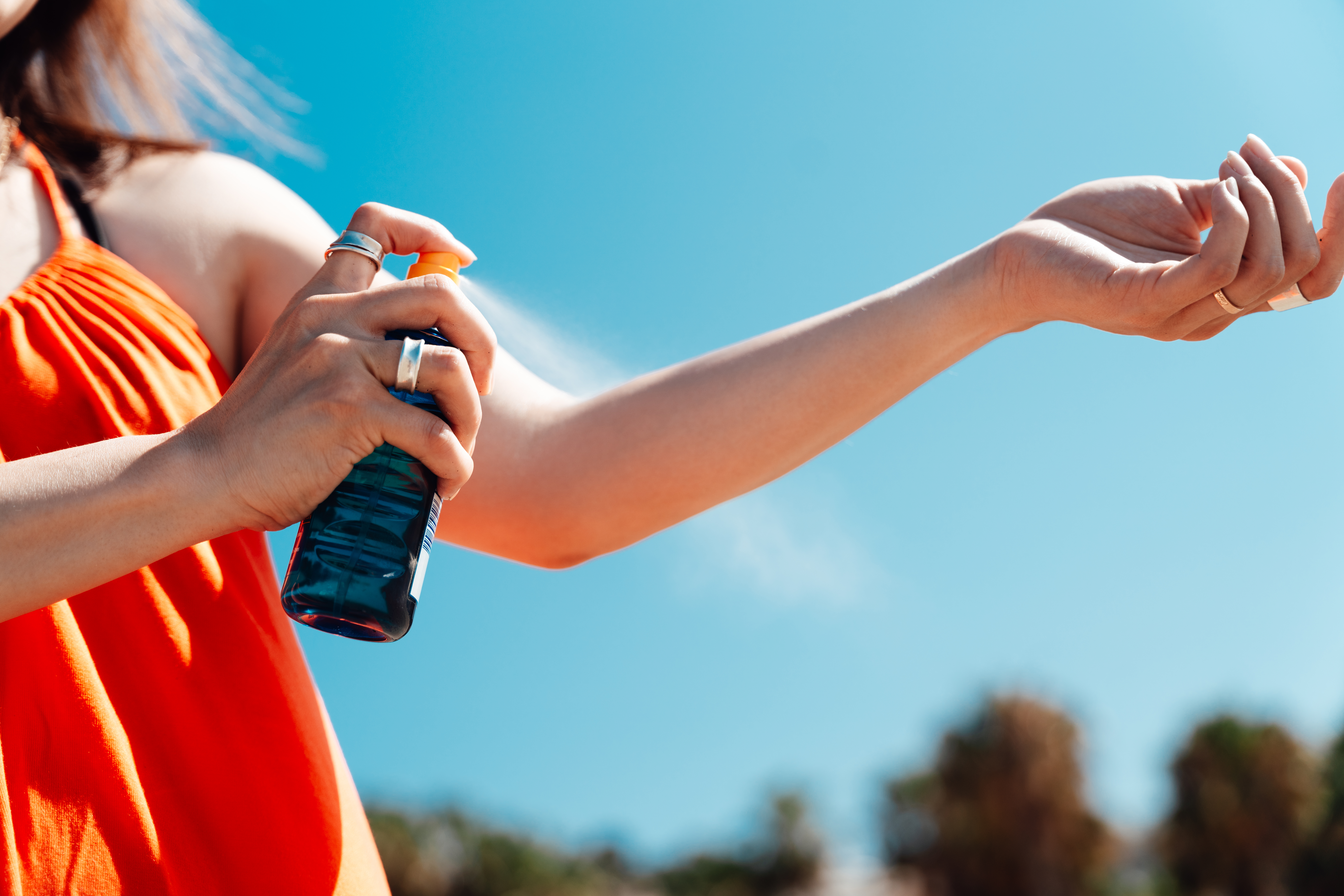
- Wear sunscreen. Everyone should use sunscreen. Apply a broad-spectrum water-resistant sunscreen with an SPF of at least 30. Broad spectrum means that it will protect your skin from both ultraviolet A (UVA) and ultraviolet B (UVB) rays. Don’t forget to apply lip balm with sunscreen to your lips, too.
- Reapply sunscreen. Sunscreen can help protect your skin from premature aging and skin cancer – but only if you use it correctly. Reapply regularly if you’ve been sweating or swimming.
- Wear sun-protective clothing. Long sleeves, long pants and a wide-brimmed hat can be very effective. Or you can choose clothing with an ultraviolet protection factor (UPF) built into it.
- Wear sunglasses. Choose sunglasses that block your eyes from the sun’s UVA and UVB rays.
- Seek the shade. It can be cooler in the shade, plus it gets you out of the sun.
- Stay indoors during peak sun hours. The sun’s rays are strongest between 10 a.m. and 4 p.m, so plan accordingly.
- Stay hydrated. When the heat and humidity increase, you need to drink more water. It helps your heart pump blood more efficiently and your muscles work better. The American Heart Association suggests drinking water before you head out into the sun, too.
- Minimize alcohol intake. Alcohol won’t help you stay hydrated. In fact, alcohol is a diuretic, which means it makes you lose fluids faster. Plus, it can lower your inhibitions, which can make you more vulnerable to risky behaviors.
- Watch out for other hazards. If you’re at the pool, lake, or beach, remember that water reflects sunlight. You may get a double dose of sun exposure, so be extra careful. Another tip: Skip the tanning bed. A “base tan” is still damaging to your skin.
Get regular skin screenings
Dr. Payne: Even if you’re careful about sun exposure, it’s still important to check your skin frequently for signs of potential sun damage. Most people can benefit from a full-body skin check every two to three years. However, some people may need more frequent screenings. If you have a history of skin cancer or have a close family member who’s had skin cancer, talk to your dermatologist about how often to get screened.
“In the meantime, keep an eye on your skin,” Dr. Payne says. “If you notice anything that concerns you, like a mole that’s started to change size or shape, ask your doctor to check it out.”
More from Dr. Payne on WellTuned

Get more information about specific health terms, topics and conditions to better manage your health on bcbst.com. BlueCross BlueShield of Tennessee members can access wellness-related discounts on fitness products, gym memberships, healthy eating and more through Blue365®. BCBST members can also find tools and resources to help improve health and well-being by logging into BlueAccess and going to the Managing Your Health tab.