

It’s another hot, humid summer in Tennessee. This kind of weather can cause dehydration, which raises the risk of developing kidney stones.
WellTuned spoke with Dr. Brian Delashmitt, medical director with BlueCross BlueShield of Tennessee, to learn how you can reduce your risk of developing kidney stones this summer.
What are kidney stones?
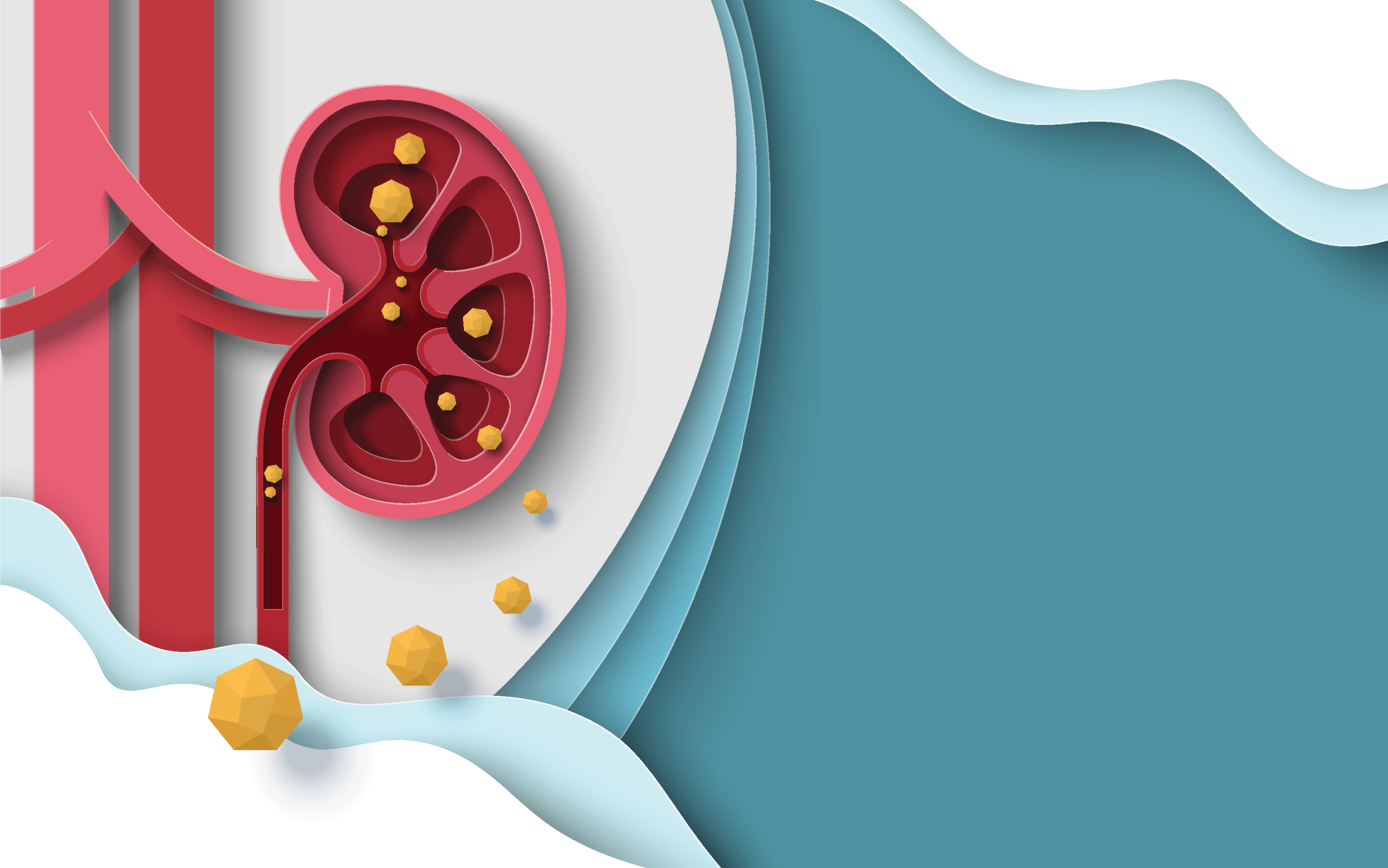
Dr. Delashmitt: Kidney stones are masses or crystals that form from chemicals in the urine. They can range from as small as a grain of sand to the size of a golf ball, which is rare. You might not notice if you pass a very small kidney stone. But larger ones can cause a lot of pain when they get caught in the ureter.
What are the symptoms of kidney stones?
Dr. Delashmitt: The most common symptom is pain in the lower back, belly or side. You may also experience:
- Nausea and vomiting
- Fever and chills
- Blood in the urine
- Inability to urinate
- Cloudy or bad-smelling urine
When should you seek medical care?
Dr. Delashmitt: Kidney stones can form from different substances in the urine, like calcium, uric acid or cystine. It’s important to get evaluated. Your doctor can determine the type of stone and the best treatment and prevention strategy for you.
While many kidney stones pass on their own with time and hydration, you should seek immediate medical attention for severe pain in your side, back or lower abdomen.
A good rule of thumb: If the pain is incapacitating you, or you feel generally unwell, don’t wait it out. Seek emergency care.
How can you prevent kidney stones?
Dr. Delashmitt: When the weather heats up, we sweat more. If that fluid isn’t replaced, it can lead to dehydration and decreased urine output. The minerals and salts in concentrated urine can crystallize and form stones.
To avoid dehydration, drink plenty of water. Aim for about 8-10 cups per day. Drink more fluids than usual in hot weather, especially if you’re active outside. Your urine should be clear or pale yellow.
Other prevention steps:
- Reduce your sodium intake
- Eat more citrus fruits
- Cut down on high fructose corn syrup
- Limit the amount of meat you eat
- Get the right amount of calcium in your diet
- Maintain a healthy weight
- Exercise regularly
Can kidney stones come back?
Dr. Delashmitt: Kidney stones often come back. Once you’ve had a kidney stone, the risk of developing another one is significantly higher. Making lifestyle changes, like exercising and staying hydrated, can make a big difference.
“By being proactive, you can reduce your chances of developing kidney stones,” Dr. Delashmitt says. “Don’t forget to pay attention to signs of other heat-related illnesses this summer.”
WellTuned: what you need to know about kidney disease

Get more information about specific health terms, topics and conditions to better manage your health on bcbst.com. BlueCross BlueShield of Tennessee members can access wellness-related discounts on fitness products, gym memberships, healthy eating and more through Blue365®. BCBST members can also find tools and resources to help improve health and well-being by logging into BlueAccess and going to the Managing Your Health tab.