

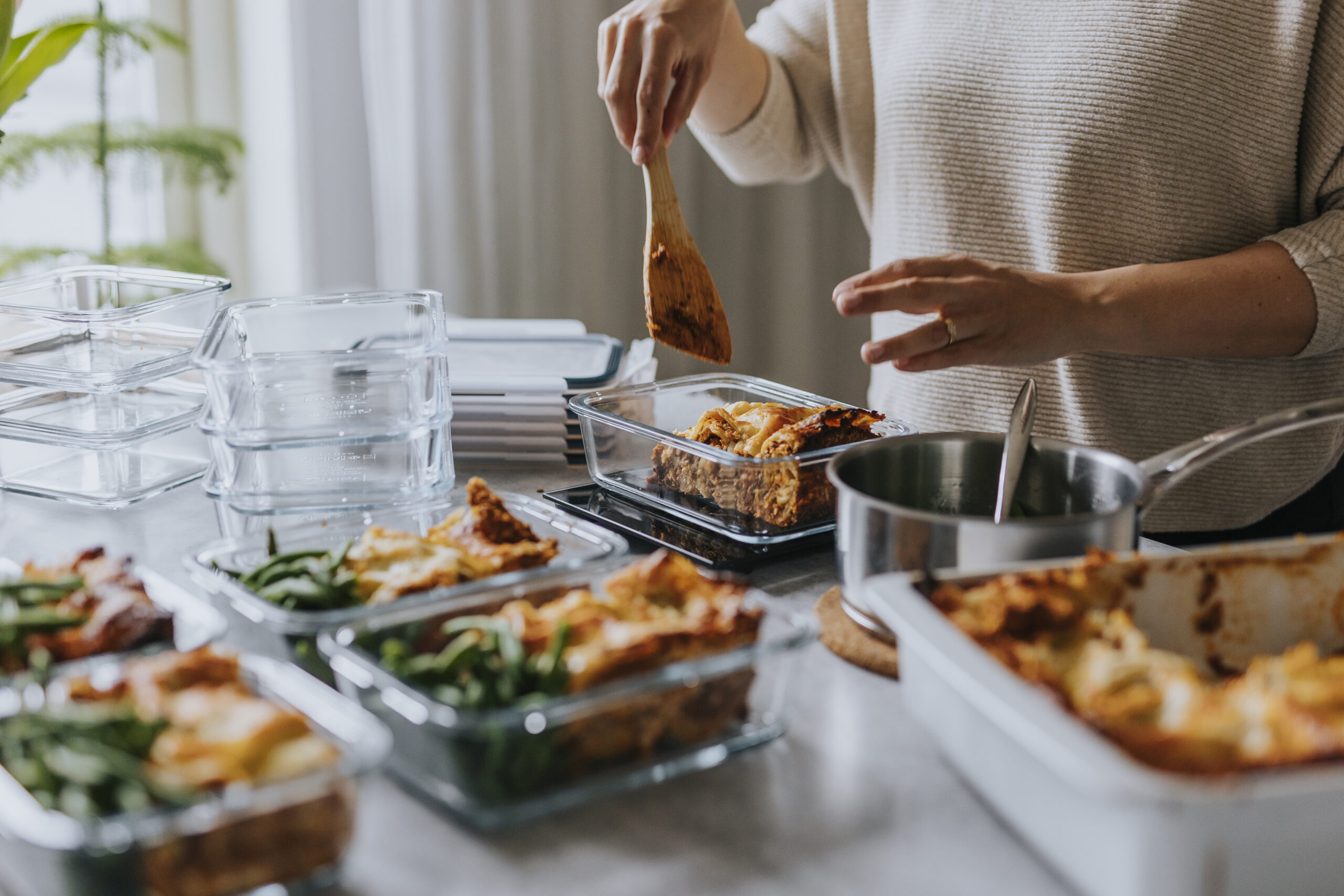
High grocery costs may make eating healthy on a budget seem impossible. But it can be done.
“The key is planning and making smart choices,” says Melissa Perry, a registered dietitian nutritionist at BlueCross BlueShield of Tennessee.
“It’s important not to get overwhelmed,” Melissa says. “No one eats perfectly, and you don’t need to buy organic, fresh foods 100% of the time to achieve a healthy diet.”
7 strategies for healthy eating on a budget
Melissa Perry: Here are some ways to eat well without breaking the bank:
- Plan meals around what you have. Think of the rice, beans, pasta and potatoes that may already be in your cabinet. This helps prevent impulse purchases. Meals that reuse ingredients throughout the week or provide leftovers for lunches can drive down the cost per meal.
- Buy frozen and canned strategically. Frozen vegetables are frozen at peak ripeness, meaning they’re as nutritious as fresh. -Use them in stir-fry, omelets, soups or casseroles. Canned vegetables retain most vitamins and minerals. Be sure to look for low-sodium options or drain and rinse to remove excess sodium.
- Stock up on affordable protein powerhouses. Protein is typically the most expensive grocery item. Canned chicken, tuna, salmon, beans and lentils are healthy, cheaper options. Make tuna or chicken salad for quick lunches that provide protein and omega-3s which are healthy fats which can protect the heart.
- Shop seasonally and freeze extras. Take advantage of produce that’s in season. If you can buy extra due to lower cost, freeze it for later use in soups or smoothies.
- Batch cook and prep ahead. Cook proteins ahead of time for the week’s lunches. If you have freezer space, cook a double batch of soup or casserole and freeze one.
- Make leftovers work twice. Remix leftovers to make new meals. Add cooked beans from dinner to tacos the next night. Use roasted chicken for sandwiches or soup. Toss leftover vegetables into omelets or stir-fry.
- Focus on nutritional priorities. When the budget is tight, focus on eating enough calories first. Skipping meals leads to inadequate nutrients. Keep affordable staples around: peanut butter, rice, beans, canned proteins and oats.
Focus on inexpensive nutrition sources
Melissa Perry: These affordable foods provide excellent nutritional value:
Beans (canned or dried): Great source of fiber, protein and potassium
Oats: Choose plain oats instead of flavored packets to avoid added sugar. It’s a great source of fiber that supports gut and heart health and keeps you full
Frozen fruits and vegetables: Sometimes more nutritious than fresh—and more affordable with longer shelf life
Eggs: Great source of protein and choline which is important for brain health and heart and liver function.
Canned fish: Provides omega-3s and protein without breaking the bank
What if you don’t have time to plan meals?
Melissa Perry: Don’t feel like you need to plan every meal. First, focus on three or four meals a week. Pick a few fast, healthy breakfast or lunch ideas you can create in less than five minutes. Examples include yogurt with berries, oatmeal with nuts, or canned tuna salad.
There are great free apps and AI tools that can help you get creative with meal planning. With some, you can enter foods you already have on hand and your grocery budget.
“Meal planning can save time in the long run,” Melissa says. “And if you’re struggling with buying food for your family, reach out for community support. Pantry programs, Supplemental Nutrition Assistance Program (SNAP) and the Women, Infants and Children program (WIC) may be able to help.”
More from Melissa Perry on WellTuned

Get more information about specific health terms, topics and conditions to better manage your health on bcbst.com. BlueCross BlueShield of Tennessee members can access wellness-related discounts on fitness products, gym memberships, healthy eating and more through Blue365®. BCBST members can also find tools and resources to help improve health and well-being by logging into BlueAccess and going to the Managing Your Health tab.