

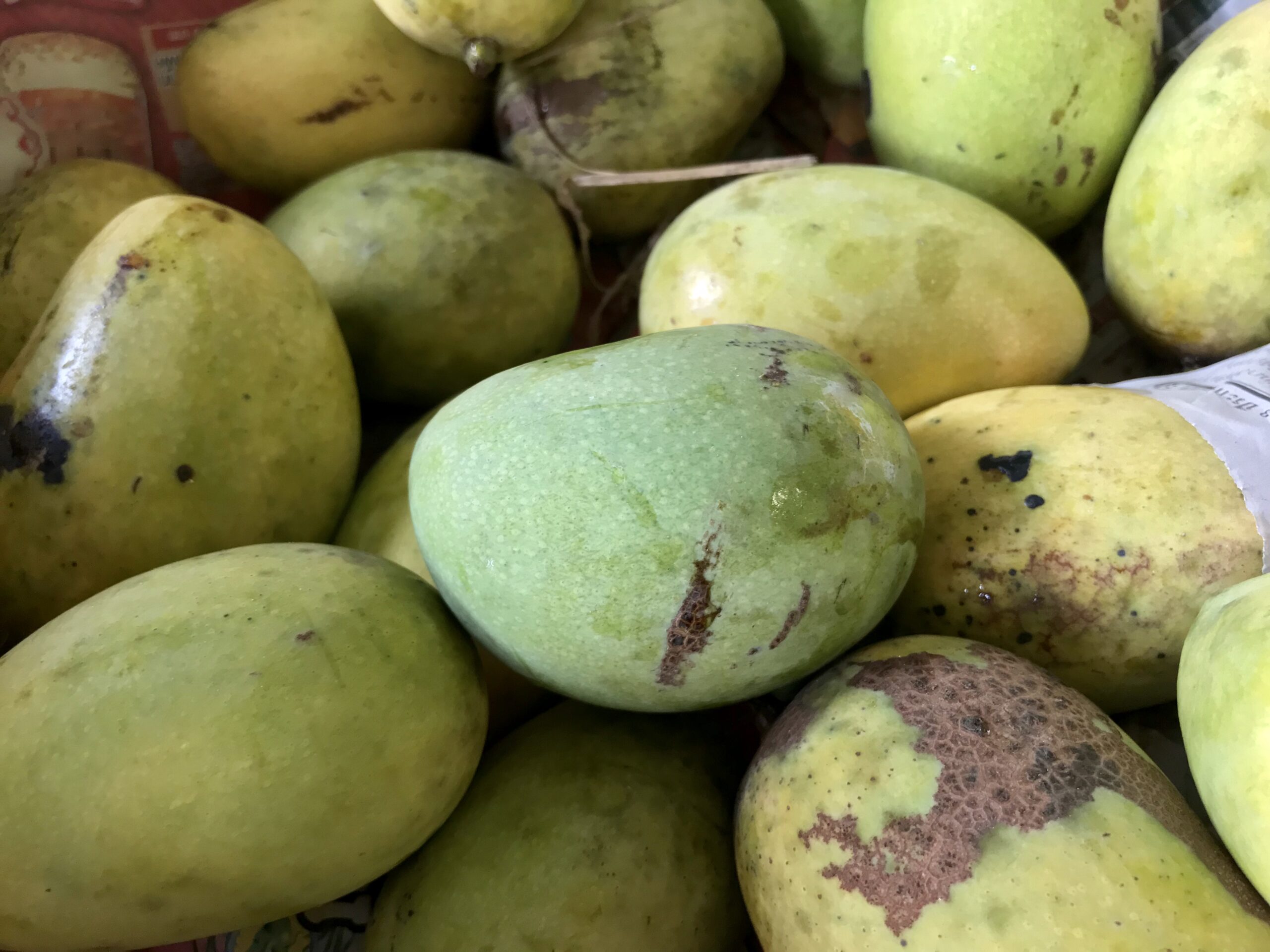
Ever eaten a pawpaw? The fruit grows on native trees throughout much of the eastern U.S. But it’s often called America’s Forgotten Fruit, so there’s a good chance that you’ve never tried one.
“Pawpaws aren’t usually sold in grocery stores, since they have a short shelf life,” says Susan Thomas, a registered dietitian with BlueCross BlueShield of Tennessee. “But you might find some at a farmer’s market or specialty shop.”
What you should know about pawpaws
Susan Thomas: If you’re just learning about this unusual fruit, here are interesting facts about the pawpaw fruit (Asimina triloba):
- They’re North America’s largest native fruit. The pawpaw tree is a small tree, but it produces the largest edible fruit native to North America.
- They have beautiful spring flowers. The tree produces maroon-colored flowers in the spring before the fruit grows.
- They come in different sizes. A typical pawpaw can be two to six inches long.
- They ripen in fall. Pawpaws start to ripen in late summer and hit their peak in September and October. They ripen in Tennessee in September.
- They look unusual. The fruit resembles a pear or a greenish potato on the outside. Inside, the fruit is yellow, with a creamy, custard-like texture.
- They taste tropical. People say they taste like banana, citrus, vanilla or mango — or some combination of those.
- They have cultural history. Native American people used the flesh to create a yellow dye. Legend has it that the pawpaw was Daniel Boone’s favorite fruit.
- The pawpaw fruit is quite nutritious. It contains high levels of vitamin C and potassium. It’s also a source of vitamin A, riboflavin, niacin and magnesium.
Why try pawpaws?
Susan Thomas: In terms of calories and fiber, pawpaws are like a banana, but with twice as much vitamin C as a banana and three times as much vitamin C as an apple. There may be other benefits that are yet undetermined.
How to eat pawpaws
Susan Thomas: You can eat pawpaws raw, or you can add them to jams, ice cream or baked goods. You might even try making pawpaw pie. Be sure to remove the large black seeds first.
When they’re fully ripe, they only last a few days at room temperature. You may want to keep them refrigerated so they’ll last longer.
More from Susan Thomas on WellTuned

Get more information about specific health terms, topics and conditions to better manage your health on bcbst.com. BlueCross BlueShield of Tennessee members can access wellness-related discounts on fitness products, gym memberships, healthy eating and more through Blue365®. BCBST members can also find tools and resources to help improve health and well-being by logging into BlueAccess and going to the Managing Your Health tab.