

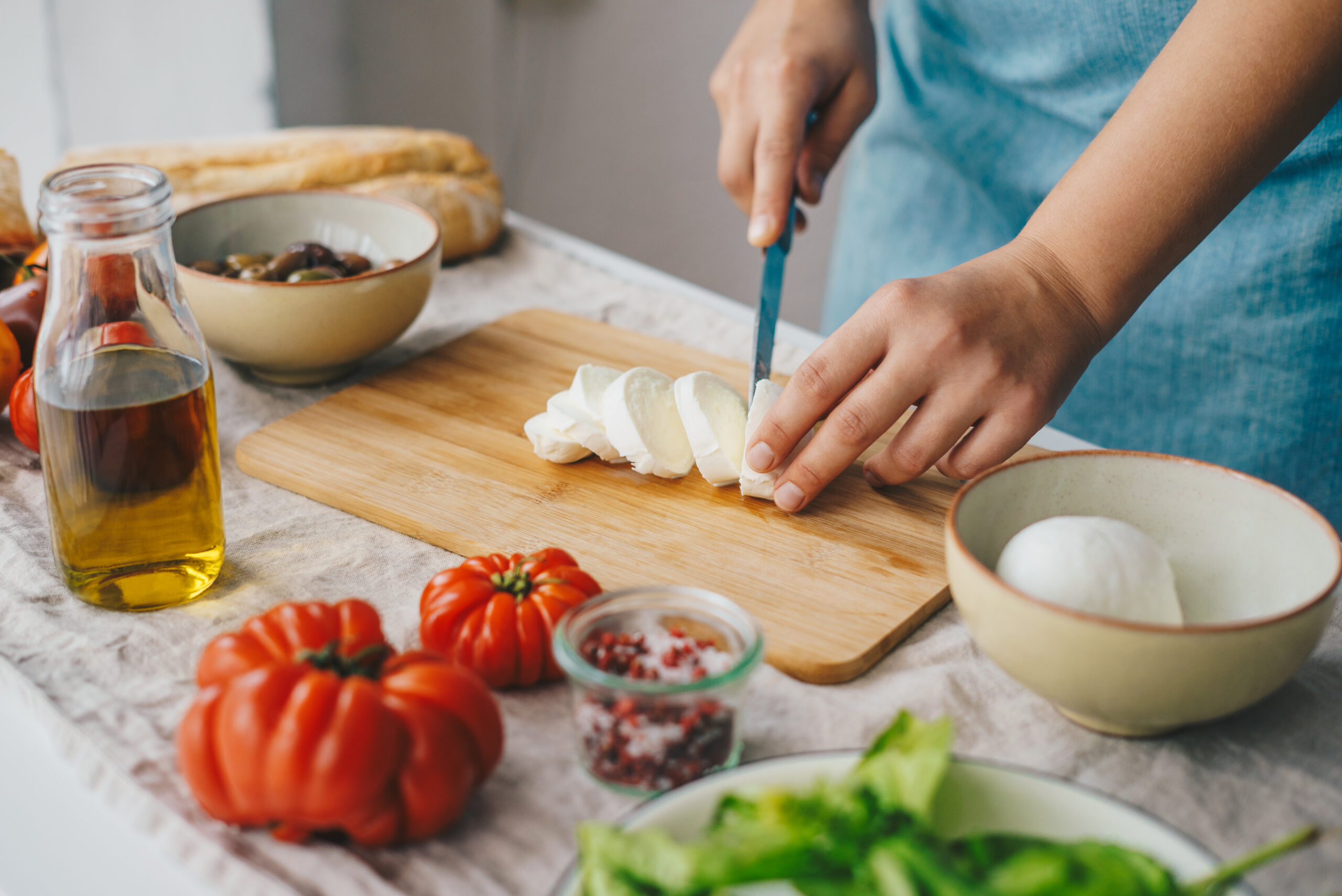
“Clean eating” is everywhere on social media. But the term can mean something different to almost everyone.
“Clean eating has no official medical definition,” says Ashley Kiser, a registered dietitian at BlueCross BlueShield of Tennessee. “So, when I’m having a discussion about clean eating, I try to understand how the individual defines the term. Then, we can have a conversation tailored to their goals and preferences.”
What is clean eating?
Ashley Kiser: For some people, “clean eating” means prioritizing fruits, vegetables, whole grains and lean proteins. Others define “clean eating” as balanced food choices and healthy cooking methods. Some use the term to describe limiting preservatives or other ingredients they perceive as less natural
A mistake many people make is believing that all processed foods are unhealthy. In fact, many nutritious foods undergo some form of processing before reaching consumers. Milk is cultured to make yogurt. Chickpeas are blended to produce hummus. Baby carrots are cut and packaged for convenience. Whole grains are milled to make bread. These foods are often considered healthy choices despite having been processed.
Rather than focusing solely on whether a food is processed, it is important to consider what is added during processing, as foods containing significant amounts of added sugar, sodium, or saturated fat may be less supportive of overall health.
How should people approach clean eating?
Ashley Kiser: A healthy approach to any kind of eating plan includes all food groups and allows flexibility. Rigid food rules can create an “allowed” versus “forbidden” mindset that may lead to guilt and anxiety.
One strategy would be to focus on the amount of nutrients in food options. Nutrient density refers to the amount of beneficial nutrients a food provides relative to its calorie content. Nutrient-dense foods are rich in vitamins, minerals, fiber and protein.
A practical way to prioritize nutrient density is to include a variety of fruits, vegetables, whole grains, lean proteins and healthy fats like olive oil, nuts, seeds and salmon. When these foods make up most of your diet, there is less room for food with lower nutritional value.
Can clean eating become a bad thing?
Ashley Kiser: A strict clean eating diet may lead to unnecessary elimination of nutritious foods. For example, individuals who significantly restrict carbohydrates may experience constipation. This is because many fiber-rich foods contain carbohydrates.
Rigid dietary rules can also contribute to an unhealthy relationship with food. When foods are labeled “good” or “bad,” it may lead to unnecessary restriction and anxiety around eating.
Can you eat clean on a budget?
Ashley Kiser: Canned beans and frozen vegetables fit into a healthy, balanced diet. Canned beans are an affordable source of fiber, plant-based protein and iron. Rinsing canned beans reduces sodium content. Frozen vegetables are typically frozen at peak freshness, helping retain nutritional value. Many contain little or no added ingredients.
These foods can make healthy eating more accessible and affordable for a wide range of families.
“I try to remind people that food isn’t just about nutrition. It is also a social experience,” Ashley says. “Food connects us with family, friends, traditions, and celebrations. A healthy approach to food should support both physical health and quality of life.”
More from Ashley Kiser on WellTuned

Get more information about specific health terms, topics and conditions to better manage your health on bcbst.com. BlueCross BlueShield of Tennessee members can access wellness-related discounts on fitness products, gym memberships, healthy eating and more through Blue365®. BCBST members can also find tools and resources to help improve health and well-being by logging into BlueAccess and going to the Managing Your Health tab.