

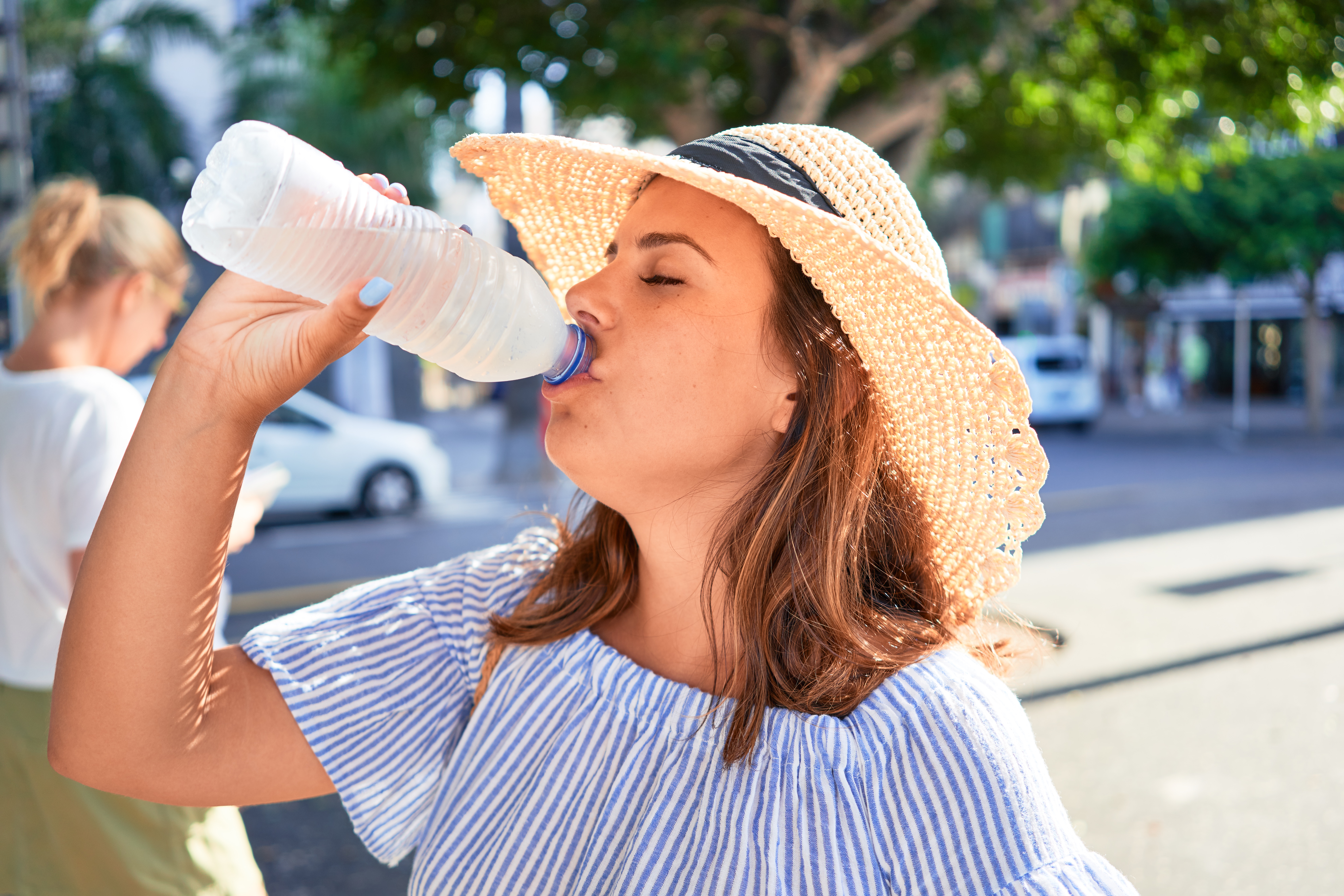
Summer in Tennessee isn’t just hot — it’s heavy. The combination of high temperatures and thick humidity creates conditions that challenge the body in ways many people may not fully understand.
Your body’s built-in air conditioner
Your body maintains a core temperature of about 98.6°F through thermoregulation, controlled by the hypothalamus in your brain — your internal thermostat. When heat rises, two things happen:
- Blood flow shifts to the skin. Your heart rate increases, and blood vessels near the surface dilate to carry warm blood outward, where heat can radiate away. This is why your skin flushes when you’re overheated. Your cardiovascular system is working overtime.
- Sweat kicks in. Sweat glands release moisture, and as it evaporates, it pulls heat away from the body.
Here’s the problem during Tennessee summers: Humidity undermines sweat’s effectiveness. When the air is already saturated, sweat can’t evaporate efficiently. Your heart keeps pumping harder, you keep sweating, and your body falls behind in the race to stay cool.
Why people underestimate the risk
Heat is an “invisible threat.” People think, “I’ve lived in Tennessee my whole life. I can handle it.” But heat illness is a physiological process, and when conditions overwhelm your cooling capacity, anyone can be affected. Many people also push through early symptoms like dizziness or fatigue, mistaking them for simple tiredness rather than recognizing an urgent warning.
Warning signs you shouldn’t ignore
Heat illness progresses along a spectrum:
- Heat cramps: Painful muscle cramps and heavy sweating are your first signs of fluid and electrolyte loss. Don’t ignore them.
- Heat exhaustion: Heavy sweating, cool/moist/pale skin, rapid weak pulse, dizziness, nausea, headache, confusion and decreased urine output.
- Heat stroke (call 911): Body temperature above 103°F, hot red skin, rapid strong pulse, confusion, slurred speech and loss of consciousness. This is a life-threatening emergency that can cause permanent organ damage.
What happens to your heart
Your cardiovascular system works harder in the heat. The heart has to pump more blood to the skin for cooling while still supplying blood to the muscles and organs. Heart rate rises and blood pressure can drop. For people with heart disease, high blood pressure, or those on medications like beta-blockers or diuretics, this added demand can become dangerous.
Hydration: Start before you’re thirsty
Pre-hydration: Drink fluids before heat exposure. This is one of the most effective prevention strategies.
- Start early. Drink water in the hours before going outside. Individual needs may vary, but generally, about a cup per hour is suggested during hot weather, even without feeling thirsty.
- Don’t wait for thirst. By the time you feel thirsty, you’re already mildly dehydrated.
- For prolonged activity, add electrolyte Sweating makes you lose sodium and minerals, not just water. Choose options appropriate for your health needs.
- Avoid alcohol and excessive caffeine, which accelerate fluid loss.
- Monitor your urine. Pale, straw-colored urine means you’re well hydrated. Darker urine means you need more fluids.
Who is most vulnerable?
- Adults 65 and older. Thermoregulation declines with age, and many medications can interfere with sweating or blood flow.
- Infants and young children. They’re less able to regulate temperature and are dependent on caregivers.
- People with chronic conditions. Heart disease, diabetes, kidney disease, obesity and respiratory conditions increase risk.
- Outdoor workers and athletes. Prolonged exertion in heat may dramatically increase risk.
- People without air conditioning. Limited cooling access is one of the strongest risk factors.
- Those on certain medications. Diuretics, antihistamines, beta-blockers and some psychiatric medications can impair temperature regulation.
If someone shows signs of heat exhaustion: Act fast
- Move them to a cool or air-conditioned space.
- Lay them down and elevate their legs.
- Loosen or remove heavy clothing.
- Cool them actively — apply a cool wet cloth, spray with water and fan, or help them into a cool shower.
- Offer cool water in small sips. No alcohol or caffeine should be consumed.
- If symptoms worsen or they become confused, call 911 — this may be progressing to heat stroke.
Simple steps to stay safe
- Avoid peak heat between 10 a.m. and 4 p.m. when possible.
- Dress smart — lightweight, light-colored, loose-fitting clothing and a hat.
- Pace yourself and take frequent shade or AC breaks.
- Check on others — elderly neighbors, family members and anyone living alone.
- Never leave anyone in a parked car. Interior temperatures can rise by 20°F in just 10 minutes.
- Know your medications. Ask your doctor if anything you’re taking can affect heat tolerance.
The bottom line
Your body is remarkably good at keeping you cool — but it has limits. Tennessee summers may push those limits, especially when humidity is high. The good news is that many heat-related illnesses are preventable with early precautions. Hydrate early, recognize the warning signs, and don’t hesitate to get out of the heat when your body tells you to.
Dr. Meier discusses heat exhaustion vs. heat stroke on WellTuned

Get more information about specific health terms, topics and conditions to better manage your health on bcbst.com. BlueCross BlueShield of Tennessee members can access wellness-related discounts on fitness products, gym memberships, healthy eating and more through Blue365®. BCBST members can also find tools and resources to help improve health and well-being by logging into BlueAccess and going to the Managing Your Health tab.