

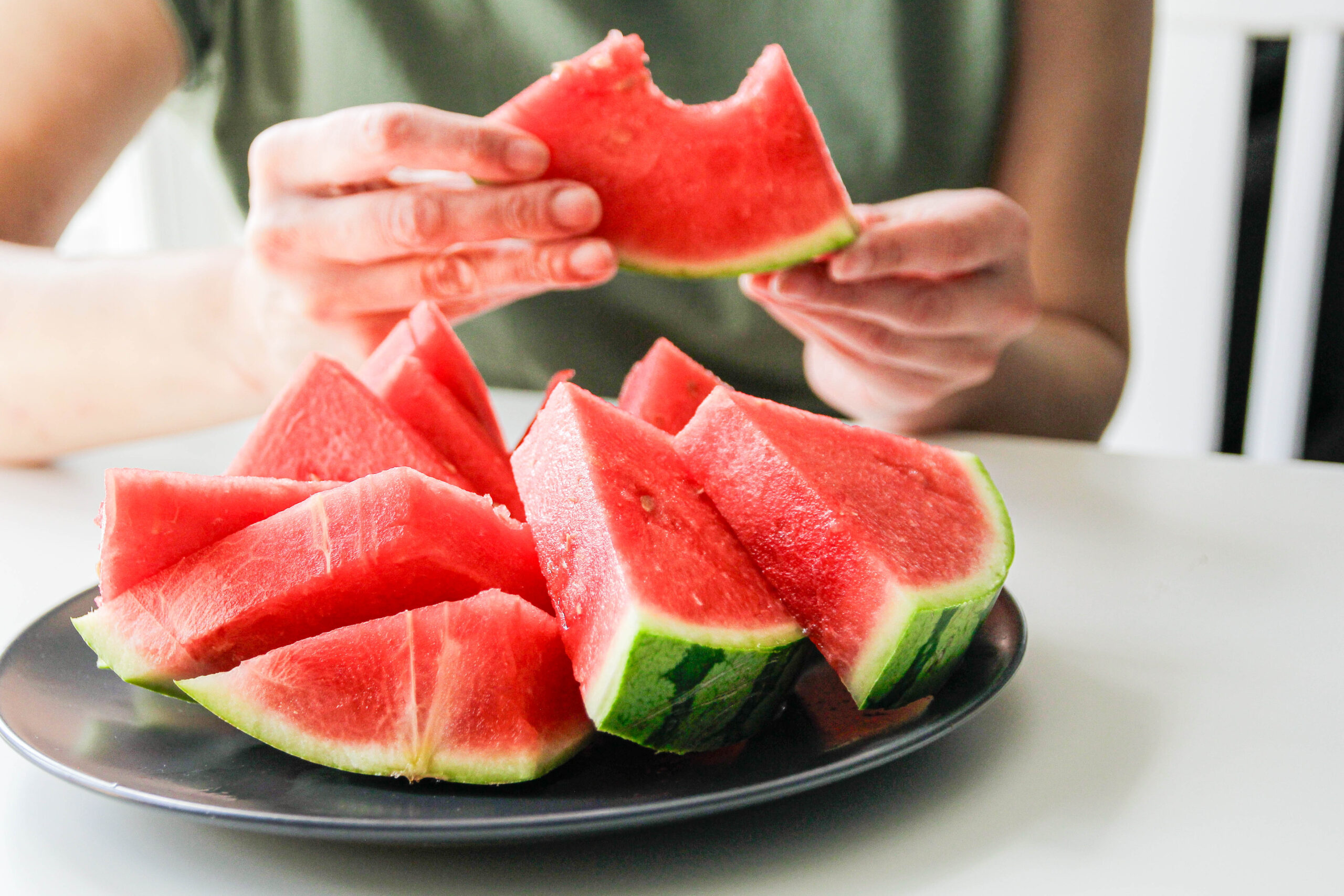
July and August are peak watermelon seasons in Tennessee. And watermelon isn’t just delicious — it’s one of the most hydrating foods you can eat.
“Watermelon is more than 90% water by weight and also contains vitamins, minerals and antioxidants,” says Susan Thomas, a registered dietitian at BlueCross BlueShield of Tennessee. “It can be a healthy way to get in a little extra hydration this summer.”
Why hydration matters in summer
Susan Thomas: Thirst is an important signal that your body needs fluids. During hot Tennessee summers, we may lose significant amounts of water through sweating. Dizziness, headaches and muscle cramps are signs of heat-related illness. They may occur when we become dehydrated or lose too much fluid through sweating.
Watermelon, along with adequate fluid intake, can help with rehydration because of its higher water content and the potassium it contains. It’s also low in calories, with just 46 calories per cup.
5 things to know about watermelon
Susan Thomas: Here are some key facts to know about watermelon.
- It’s packed with key nutrients. In addition to fluid and potassium, watermelon provides vitamins C, A, and B6. It also contains lycopene—the antioxidant that gives watermelon its red color. Lycopene has been studied for its potential role in supporting heart health. Watermelon also contains citrulline, an amino acid that may help support blood flow and exercise performance.
- It’s a perfect grab-and-go snack. Watermelon provides carbohydrates for energy. It also has potassium, an important electrolyte we lose in sweat. When cold, it’s refreshing and easy to pack for outdoor activities.
- Fresh, frozen and local all have benefits. The nutritional differences between store-bought and locally grown watermelons are minimal. Nutrition is more related to variety, ripeness and growing conditions. That said, buying local supports Tennessee farmers and gives you a chance to learn how your food is grown.
- Ripeness matters. When choosing a watermelon, look for a creamy yellow spot on the underside where it rests on the ground. This is often a sign that the watermelon ripens while on the vine and is ready to enjoy.
- Storage is simple. Wash the outer rind well under cool running water before slicing. This helps prevent any surface bacteria from being transferred to the fruit. Once cut, store watermelon in a covered container in the refrigerator.
Simple ways to enjoy watermelon
Susan Thomas: Watermelon is easy to add to everyday meals. Blend it into smoothies, add it to salads, or freeze it for a cool treat. Fresh, seasonal produce like this may be a cost-effective way to improve your diet as produce purchased when it’s in-season may be less expensive.
“With peak watermelon season upon us in Tennessee, watermelon can be a smart fruit choice,” Susan says.
More from Susan Thomas on WellTuned

Get more information about specific health terms, topics and conditions to better manage your health on bcbst.com. BlueCross BlueShield of Tennessee members can access wellness-related discounts on fitness products, gym memberships, healthy eating and more through Blue365®. BCBST members can also find tools and resources to help improve health and well-being by logging into BlueAccess and going to the Managing Your Health tab.