

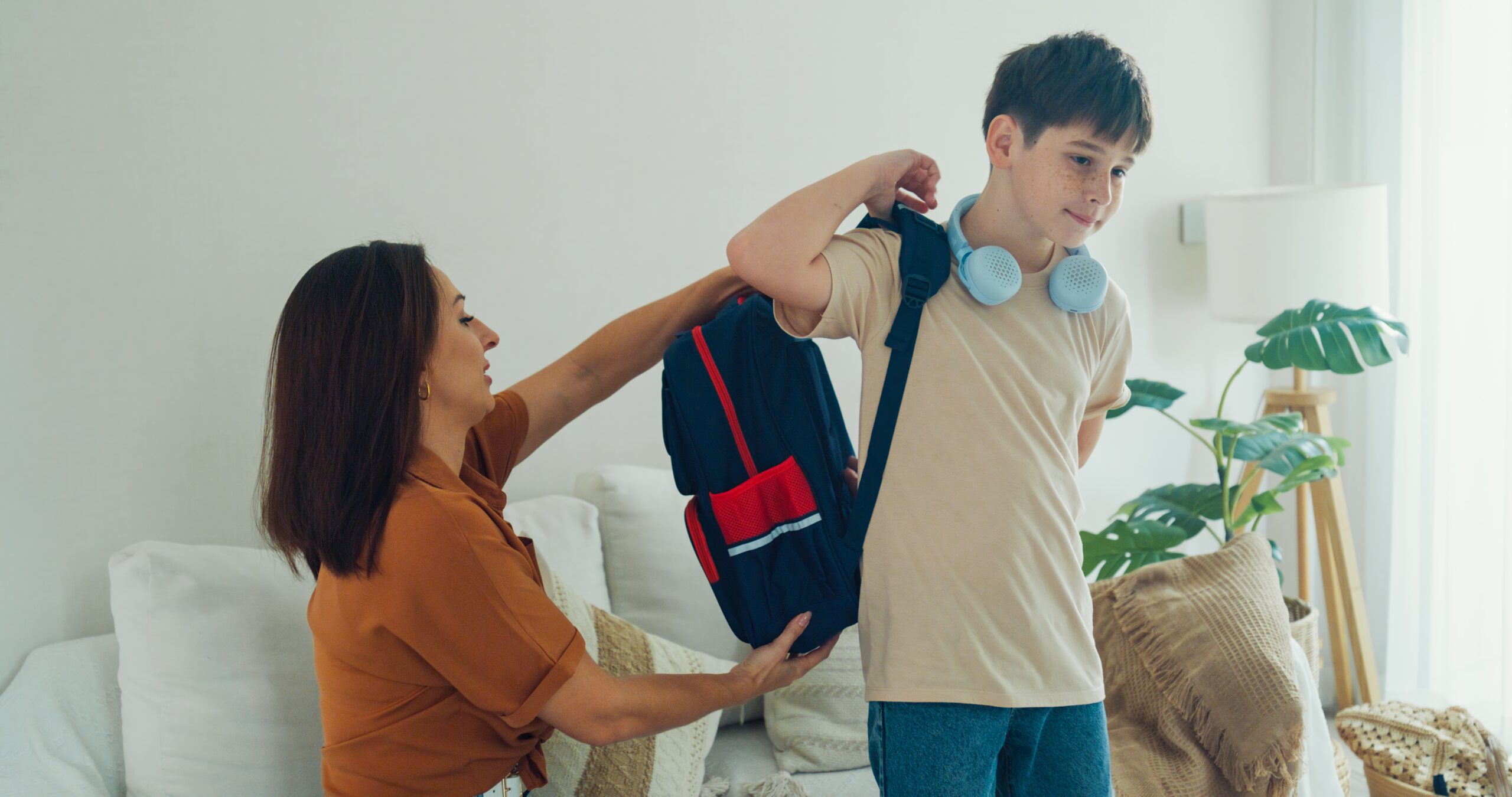
Back-to-school season means new teachers, new supplies and often a new backpack. But the wrong bag, or wearing it incorrectly, may contribute to discomfort or strain, particularly when it is too heavy or does not fit properly.
“As a general guideline, a child shouldn’t be carrying more than 10 to 15% of their body weight in a backpack,” says Dr. Gordon Peters, a medical director at BlueCross BlueShield of Tennessee. “Ideally, you’d like to be closer to the 10% than the 15%.”
Why backpack weight matters
Dr. Peters: Kids’ cartilage and bones are still growing until at least the mid-teen years. Carrying too much weight may contribute to pressure injuries, muscle strain, discomfort, numbness or tingling.
All the nerves for the arms run through a plexus in the shoulder which allows the arm and shoulder to have a wide range of motion. Too much weight or improperly fitted straps may compress those nerves, causing numbness and tingling.
How to weigh the backpack
Dr. Peters: Most households have a bathroom scale. Weigh your child first. Then load the backpack with what they need and weigh it. If the pack is more than 10 to 15% of their body weight, help them readjust what they’re carrying.
This shouldn’t be a one-and-done task. Kids have a habit of loading their backpack on day one and then continually adding without subtracting. You should inventory the backpack a few times a week to make sure they’re carrying only what they need for that day.
What to look for in a backpack
Dr. Peters: When possible, choose a backpack with:
- Two wide, padded shoulder straps
- Padding on the back panel
- Adjustable straps to accommodate growth
- A chest strap and waist strap if possible
If a child is walking more than a couple of steps, both straps should be on and snug. If possible, avoid one-strap, crossbody packs. They put pressure on nerves and shoulder joints unequally and may cause orthopedic problems.
How to load and wear a backpack
Dr. Peters: Put the heaviest items closest to the child’s back toward the inside of the backpack. A loose, flopping load is harder on the spine than a snug one.
When putting the backpack on, lift with the legs rather than the back. Better yet, put the pack on a bench or seat first, then have your child slip their arms through the straps.
Parents can help to educate children on how to properly put on the backpack and tighten the straps. Watch your child walk with the backpack on. They should stand upright and straight — not stooping forward, leaning back or tilting to one side. Any of those positions can put undue strain on the spine.
Warning signs to watch for
Dr. Peters: Watch for these signs that a backpack may be causing problems:
- Complaints of back, neck or shoulder pain
- Changes in posture
- Redness, bruising or skin irritation on the back
- Numbness or tingling in the arms
If you notice any of these, go back to the basics. Is the backpack fitted correctly? Has it been weighed recently? Have the straps or the padding become too worn? If this doesn’t help, you may want to talk with your child’s primary care doctor.
Beyond the backpack: posture and core strength
Dr. Peters: Good posture starts with standing up straight — shoulders up and slightly back, not stooping. Good footwear with arch support also matters more than people realize.
For younger children, the best exercise is simply playing. Running, climbing, biking and outdoor play build the legs, core, and cardiovascular fitness that support the spine.
For middle school and older, sit-ups, and push-ups activate every muscle group without requiring equipment. Sports like basketball, dodgeball and softball build coordination, strength and cardiovascular fitness.
“Make sure their shoes have good support in the arch and for the ankle, and make sure they’re standing up straight, and the backpack is worn correctly,” Dr. Peters says. “All of those things together may help prevent overuse injuries as kids grow.”
More from Dr. Gordon Peters on WellTuned

Get more information about specific health terms, topics and conditions to better manage your health on bcbst.com. BlueCross BlueShield of Tennessee members can access wellness-related discounts on fitness products, gym memberships, healthy eating and more through Blue365®. BCBST members can also find tools and resources to help improve health and well-being by logging into BlueAccess and going to the Managing Your Health tab.