

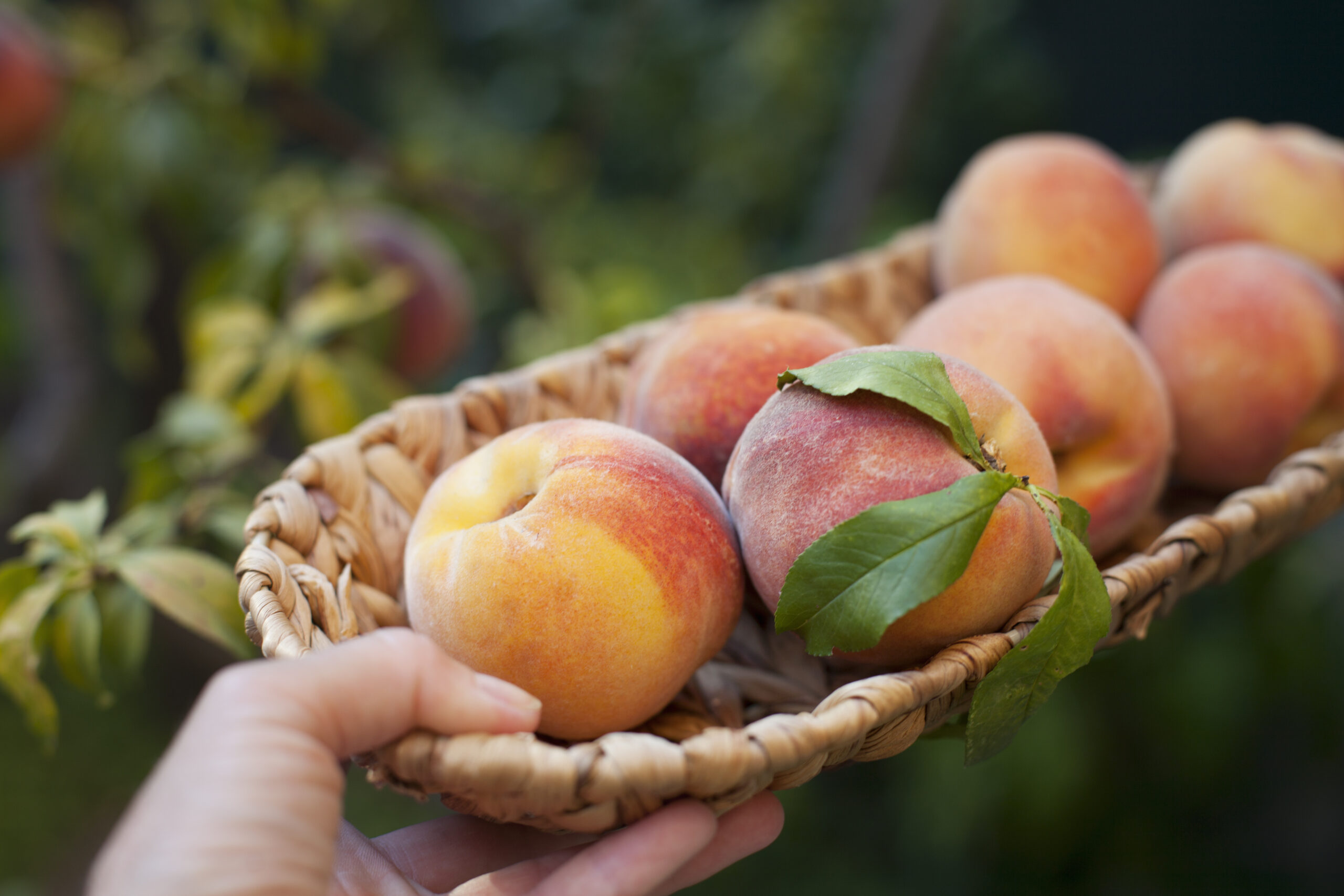
Tennessee peach season is here, and there’s no better time to enjoy one of summer’s most nutritious fruits. Fresh, seasonal peaches may be a cost-effective way to improve your diet as produce purchased when it’s in-season may be less expensive.
“Peaches bring back memories of visiting my grandparents in Georgia and picking them fresh off the tree,” says Karen Lawson, a registered dietitian at BlueCross BlueShield of Tennessee. “My first recipe in 4-H also involved peaches. That may have helped start me on a path to becoming a dietitian.”
What makes peaches so nutritious?
Karen Lawson: Peaches contain vitamin C, beta carotene, potassium, folate and lutein. They also provide dietary fiber, which is essential for digestion and heart health. Adults are recommended to have these amounts of fiber daily:
- 21 grams for women older than age 50.
- 25 grams for women age 50 or younger.
- 30 grams for men older than age 50.
- 38 grams for men age 50 or younger.
Packaged foods are often lower in fiber. So, plan ahead and carry fruit instead of packaged snacks.
Most people can enjoy peaches freely as part of a balanced diet. Those who are allergic to stone fruits should avoid them. These are fruits which have a pit inside.
How peaches support gut health
Karen Lawson: Fiber from fruits, vegetables and whole grains supports the good bacteria in the microbiome, which is the beneficial bacteria and other micro-organisms in the intestines. It’s generally best to diversify the types of fiber in your diet as much as possible. Fruits that are less ripe or in their greener stages contain resistant starches. These can help lower blood sugar responses. Peaches still contain carbohydrates, so portion size matters. In general, fruits in their greener stages of ripeness have less sugar. Try eating peaches just before or at peak ripeness.
Simple ways to enjoy peaches
Karen Lawson: Many people have noticed that some peaches no longer have a strong scent. This is because many fruits are picked very green for long-distance transport. You can allow peaches to ripen in a paper bag to bring out the best aroma and flavor.
Peaches are easy to add to everyday meals:
- Add sliced peaches to Greek yogurt or oatmeal
- Blend into smoothies or homemade ice cream alternatives
- Toss into whole grain or green salads
- Grill peaches and add to chicken dishes
Try this healthy peach push-up recipe from WellTuned.
Fresh, frozen or canned?
Frozen peaches are a good option to avoid wasting fresh produce, and that means you can enjoy peaches all year. Frozen peaches are often picked at peak ripeness to preserve flavor and nutrients.
Fresh fruit may contain natural enzymes that help digest food and benefit the microbiome as “living” nutrients. But frozen fruit still provides key nutrients for health. If buying canned, check that labels show no added sugars or syrups.
You can find locally grown peaches at farmers markets and farm stands across Tennessee. Local farms are often found easily with internet search. You might also look for community gardens that allow you to tend to the garden and benefit from its harvest.
“Fresh, seasonal produce like Tennessee peaches may be a cost-effective way to improve your nutrition as they may be less expensive when they are in-season,” Karen says. “Moving produce long distances can affect both cost and taste. Local, in-season peaches may give you the best of both.”
More from Karen Lawson on WellTuned

Get more information about specific health terms, topics and conditions to better manage your health on bcbst.com. BlueCross BlueShield of Tennessee members can access wellness-related discounts on fitness products, gym memberships, healthy eating and more through Blue365®. BCBST members can also find tools and resources to help improve health and well-being by logging into BlueAccess and going to the Managing Your Health tab.