
COVID-19 & mental health: 5 signs of concern & tips for coping
Dr. Judith Overton, a psychiatrist and medical director for BlueCross BlueShield of Tennessee, provides ways to maintain mental health while social distancing.


Dr. Judith Overton, a psychiatrist and medical director for BlueCross BlueShield of Tennessee, provides ways to maintain mental health while social distancing.

Tammy Starling, psychotherapist and grief specialist for BlueCross BlueShield of Tennessee, says that during uncertain times, it’s
completely healthy to worry, but it’s not healthy to get to the point of becoming detached.

As the COVID-19 pandemic evolves, uncertainty may tempt people to pursue preventive measures or treatments based on what they’ve heard in the news or from friends. Two clinical experts explain what to do instead and what we need to know about treatment.

BlueCross Psychologist Dr. Jill Amos shares how adults, teens and kids can cope with the change and concern caused by COVID-19.

Dr. John Calvin Channell, a medical director at BlueCross BlueShield of Tennessee, explains the importance of prenatal care and what to expect.
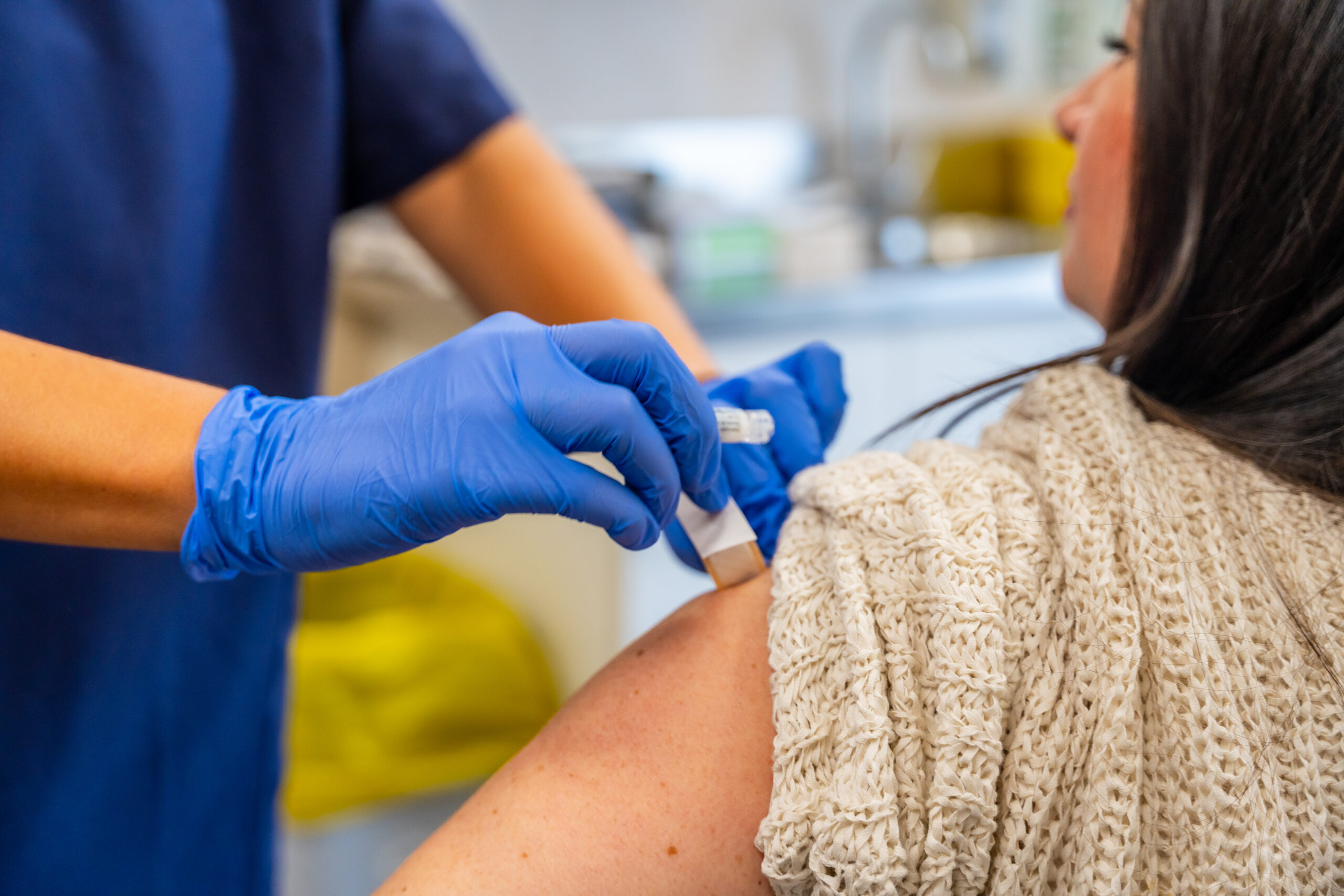
Dr. Lisa Staton, a medical director for BlueCross BlueShield of Tennessee, says the best time to get your flu shot is before the flu starts spreading in your area.

Dr. Julie Joseph, chief medical officer for BlueCare Tennessee, says not all infections require an antibiotic.

Dr. Bertram Prosser, a medical director with BlueCross BlueShield of Tennessee, says screenings are important because they’re about prevention and early detection so those with a diagnosis can be treated more easily.

Dr. Ian Bushell, a family medicine physician and medical director with BlueCross BlueShield of Tennessee, says patients continue to opt for telehealth because it offers benefits that are important to them.

Dr. Lisa Staton, a medical director for BlueCare Tennessee, explains why it’s critical that you take antibiotics correctly.