

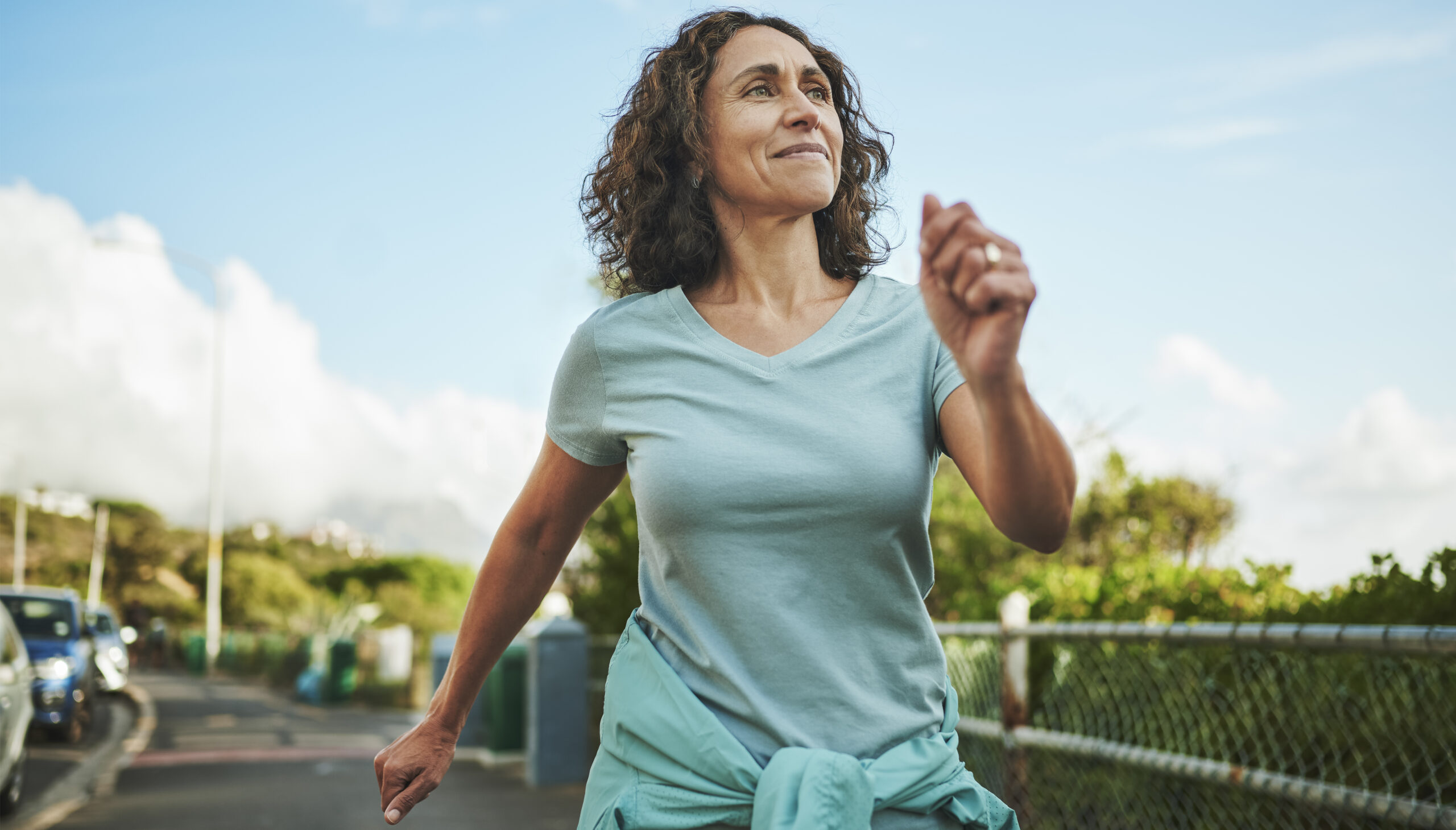
If anxiety makes your heart race and your mind spiral, there’s a powerful tool that may help: exercise. Research suggests regular physical activity may help reduce anxiety symptoms and improve mood.
The best part? You don’t need to be a gym rat to see potential benefits, says Robin Cruise, a behavioral health project manager at BlueCross BlueShield of Tennessee.
“Even brief, regular sessions of physical activity may help reduce anxiety,” Robin says. “This can be as simple as walking 10 to 20 minutes several times per week. Some people may even notice improvements after a single exercise session.”
How exercise may change your brain chemistry
Robin Cruise: Exercise may increase endorphins and monoamine neurotransmitters such as serotonin and dopamine. These play a role in mood regulation. Physical activity may also lower baseline stress hormone levels over time. Exercise may also help reduce systemic inflammation, which has been associated with anxiety and depressive disorders.
People who engage in regular exercise often report lower levels of anxiety and depression than those who are not active. Exercise may also support improved work functioning function and may help reduce disability related to mental health conditions.
What type of exercise works best
Robin Cruise: Moderate aerobic exercises may be especially helpful for reducing anxiety and depressive symptoms. This can include brisk walking, cycling or swimming. Resistance training and mind-body activities like yoga and tai chi may also demonstrate benefits.
Enjoying the activity may have a strong influence on mental health outcomes. So, choose something you think is fun.
How much exercise do you need?
Robin Cruise: Set a goal of following public health guidelines, which recommend 30 minutes of moderate-intensity activity five days per week. But some studies suggest that lower amounts of activity can still provide health benefits. For example, the CDC notes that “any amount of moderate or vigorous intensity physical activity can provide some benefits.” More sustained and meaningful improvements may happen after several weeks of consistent activity.
For moderate anxiety, exercise may produce effects comparable to therapy or medication. Still, exercise should be part of an integrated care approach. Combining exercise with therapy and medication may produce the best outcomes.
How to get started with exercise
Robin Cruise: Start with a realistic activity. This could be a 20-minute walk in your neighborhood.
People with anxiety may experience low motivation or concerns about social judgment. Virtual options like online yoga may feel more comfortable as they can happen in the privacy of your own home. You can pick a low-intensity class to start with. A 10-minute virtual chair yoga class at your desk may help you feel less anxious.
People often stick with exercise that they find enjoyable and convenient. Routine scheduling and social accountability may help, as well. Consider signing up for an activity with a friend, like a 5K or a rowing class.
“The bottom line: physical activity may help reduce anxiety and support psychological well-being,” Robin says. “Choose something you think is fun and start small.”
If anxiety is affecting your daily life, consider reaching out to a health care provider or mental health professional for support.
More from Robin Cruise on WellTuned

Get more information about specific health terms, topics and conditions to better manage your health on bcbst.com. BlueCross BlueShield of Tennessee members can access wellness-related discounts on fitness products, gym memberships, healthy eating and more through Blue365®. BCBST members can also find tools and resources to help improve health and well-being by logging into BlueAccess and going to the Managing Your Health tab.