

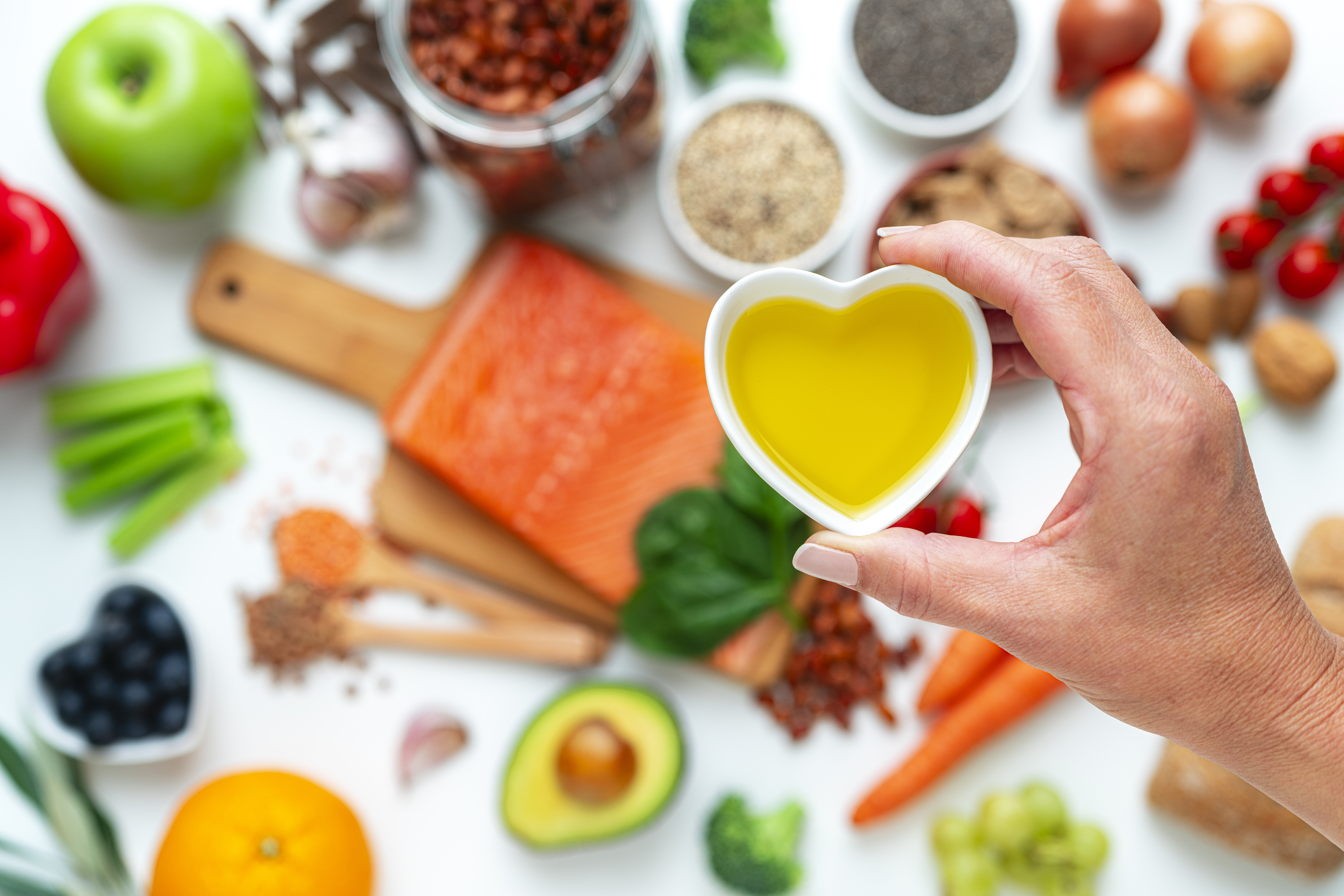
Heart disease is the number one cause of death in Tennessee, but up to 80% of heart disease and stroke is preventable through lifestyle choices. One of those lifestyle choices is what we eat.
The American Heart Association (AHA) recently released guidance for 9 steps for heart-healthy eating. To learn about the recommendations, WellTuned spoke with Sarah Provence, a registered dietitian and nutritionist at BlueCross BlueShield of Tennessee.
“The AHA guidance focuses on eating patterns rather than strict rules,” Sarah says. “This may make it more relatable to everyday life. And making gradual changes to your eating pattern may also be more sustainable for many people.”
The 9 components of heart-healthy eating
Sarah Provence: I like to approach heart-healthy eating as a way people can take control of their health. Here’s how I suggest approaching each of the AHA’s recommendations:
- Adjust energy intake and expenditure to achieve and maintain a healthy weight. Consider a couple of changes to reduce the calories you eat or increase the calories you burn with exercise. For example, you might start small, like 10 minutes of activity at a time to try to work up to AHA recommendations which is 150 minutes of moderate activity a week.
- Eat plenty of fruit and vegetables and choose a wide variety. Fresh produce may not fit everyone’s budget, but frozen or canned work, too. Choose low-sodium or low-sugar versions and consult with your doctor if you have dietary needs related to health conditions. Try to include fruit or vegetables with snacks.
- Choose foods made with whole grains rather than refined grains which have more processing and lower fiber content. Whole grainstypically have higher fiber content, which may support heart health, digestion and blood sugar. Get whole grains from oats, whole grain pasta, rice or barley — not just bread.
- Choose healthy sources of protein. Consider more plant-based sources of proteinlike beans, peas and lentils, as well as fish and seafood. When eating animal products, pick low-fat dairy and leaner, less-processed meats.
- Choose sources of unsaturated fats over saturated fats. Use plant oils like olive, canola and soybean instead of butter or tropical oils, like coconut oil. This may help lower LDL cholesterol, which may lower your cardiovascular disease risk.
- Choose minimally processed foods over ultra-processed foods. Ultra-processed foodsoften have high sodium and added sugar. Cooking at home more and reading nutrition labels may help you make more informed choices when buying convenience foods.
- Minimize added sugars in beverages and foods. Check nutrition labels. Even bread and sauces can have added sugar. It’s good to start paying attention to how much is in the foods you buy.
- Choose low-sodium foods. Reducing sodiummay support better blood pressure. Choose low-sodium versions of sauces and canned goods. Eat plenty of fruits and vegetables for potassium, which may help with blood pressure.
- If you don’t consume alcohol, don’t start; if consumed, limit intake. Alcoholmay increase blood pressure. The AHA recommends avoiding alcohol to prevent or treat high blood pressure.
Make diet changes practical for you
Sarah Provence: The people most successful in implementing diet changes work on one or two things at a time, making small changes like:
- Adding fruit with breakfast three days a week
- Switching pasta or bread to whole grain
- Cooking at home four to five days a week
- Drinking at least six glasses of water to replace sugary drinks
Following the AHA guidance can also save money. Beans and lentils may cost less than meat. Frozen vegetables and fruits are often cheaper than fresh options but still nutritious. Cooking at home may also cost less than fast food. And drinking water instead of sugary drinks is more economical.
More from Sarah Provence on WellTuned

Get more information about specific health terms, topics and conditions to better manage your health on bcbst.com. BlueCross BlueShield of Tennessee members can access wellness-related discounts on fitness products, gym memberships, healthy eating and more through Blue365®. BCBST members can also find tools and resources to help improve health and well-being by logging into BlueAccess and going to the Managing Your Health tab.